 English
 Español
 Português
 русский
 Français
 日本語
日本語 Deutsch
 tiếng Việt
 Italiano
 Nederlands
 ภาษาไทย
 Polski
 한국어
한국어 Svenska
 magyar
 Malay
Malay বাংলা ভাষার
 Dansk
Dansk Suomi
Suomi العربية

Widely used Fittings
Precision Engineered Fittings for Demanding Industrial Applications
In the world of industrial plumbing, construction, and manufacturing, the integrity of a system hinges on the smallest components. Fittings are the critical connectors, adapters, and junctions that ensure seamless flow, contain pressure, and maintain structural stability. At Ming Da Hai Chen Metal, we have dedicated decades to mastering the science and craftsmanship behind these essential parts. Our product line represents the pinnacle of precision engineering, material science, and rigorous quality control, designed to meet and exceed the specifications of the most challenging projects globally.
Understanding that every application has unique demands, we offer an extensive portfolio of fittings tailored for various industries, including but not limited to:
Oil & Gas Pipelines: High-pressure, corrosion-resistant unions, elbows, and tees.
Chemical Processing Plants: Fittings compatible with aggressive media and extreme temperatures.
Shipbuilding & Marine Engineering: Robust connectors resistant to saltwater corrosion.
Power Generation: Durable components for steam, water, and hydraulic lines.
Commercial Construction: Standard and custom fittings for HVAC, plumbing, and structural frameworks.
Frequently Asked Questions (FAQ) About Fittings
Q: What factors should I consider when selecting the right material for my pipe fitting?
A: Material selection is paramount. Key factors include: 1) Media Compatibility: The fitting must resist corrosion from the fluid or gas it carries (e.g., seawater requires high-grade stainless or duplex steel). 2) Temperature & Pressure: Operating conditions dictate material strength; alloy steels are preferred for high-temp services. 3) Environmental Conditions: External factors like coastal salt air or chemical plant atmospheres. 4) Regulatory & Industry Standards: Compliance with standards like ASTM, ASME, or DIN is often mandatory. 5) Total Cost of Ownership: While initial cost matters, a more durable material may offer better long-term value by reducing maintenance and downtime.
Q: What is the difference between Schedule 40 and Schedule 80 fittings? Does Ming Da Hai Chen Metal supply both?
A: "Schedule" (Sch) refers to the wall thickness of the pipe and corresponding fitting. Schedule 80 has a thicker wall than Schedule 40, granting it a higher pressure rating and greater durability but at a higher weight and cost. The choice depends on your system's design pressure. Yes, Ming Da Hai Chen Metal manufactures fittings across the full spectrum of schedules, from Sch 5S (thin wall) to Sch XXS (extra strong), ensuring we can provide the exact specification required for your pressure class.
Q: Can you provide custom or non-standard fitting dimensions and specifications?
A: Absolutely. While our standard inventory covers a vast range, a significant part of our service at Ming Da Hai Chen Metal is engineering and producing custom fittings. This includes special sizes outside standard ranges, unique angles (e.g., 30° or 60° elbows), fittings with proprietary connections, or components made from specific material grades to meet unique chemical or physical demands. Our engineering team works directly with clients to design, prototype, and manufacture these custom solutions.
Q: How do you ensure the quality and traceability of your fittings, especially for critical applications?
A: Quality assurance is embedded in our production process. Every batch of raw material is certified and undergoes PMI testing. During manufacturing, dimensional checks are performed at multiple stages. Finished fittings are subjected to rigorous non-destructive testing (NDT) as required. Crucially, we maintain full traceability: each fitting or batch can be traced back to its original material heat number, production process records, and test reports. We provide comprehensive Mill Test Certificates (MTCs) or Material Test Reports (MTRs) that comply with EN 10204 3.1/3.2 standards.
Q: What are the advantages of butt-weld fittings over threaded or socket-weld connections?
A: Each connection type serves a purpose. Butt-weld fittings, when welded properly, provide a permanent, leak-proof connection with excellent structural integrity and smooth bore for optimal flow. They are ideal for high-pressure, high-temperature, or critical service systems. Threaded fittings offer ease of installation and disassembly for maintenance and are suitable for lower-pressure systems. Socket-weld fittings are a strong compromise, easier to align than butt-welds and stronger than threaded for small-diameter pipes, but they have a potential crevice corrosion risk. Our experts at Ming Da Hai Chen Metal can advise on the best connection type for your specific application.
Q: How does Ming Da Hai Chen Metal handle packaging and logistics for international orders?
A: We understand that products must arrive in perfect condition. Our standard packaging includes anti-rust VCI paper, wooden crates, or pallets tailored to the product's nature and voyage. For stainless steel fittings, we often use individual plastic caps and sleeves to protect threads and surfaces. We work with a network of trusted freight forwarders and can arrange FOB, CIF, or DAP shipments globally, handling all necessary documentation to ensure smooth customs clearance.
Products
New Products
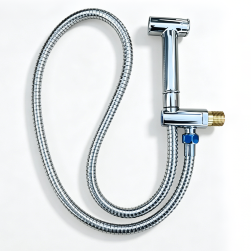 Middle East Hot Sale Handheld Bidet Sprayer Set, Chrome‑Plated Brass Push‑Button Sprayer Gun, 1.2M 304 Stainless Steel Hose, Home Toilet Cleaning Pressure Boost Spray Kit
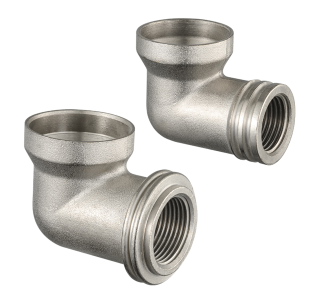 Brass 90-Degree Elbow Pipe Fitting, Internal Thread Reducing Elbow for Plumbing
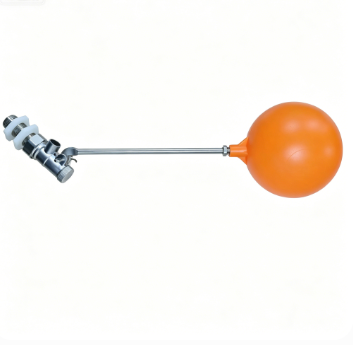 304 Stainless Steel Float Valve Automatic Water Level Controller
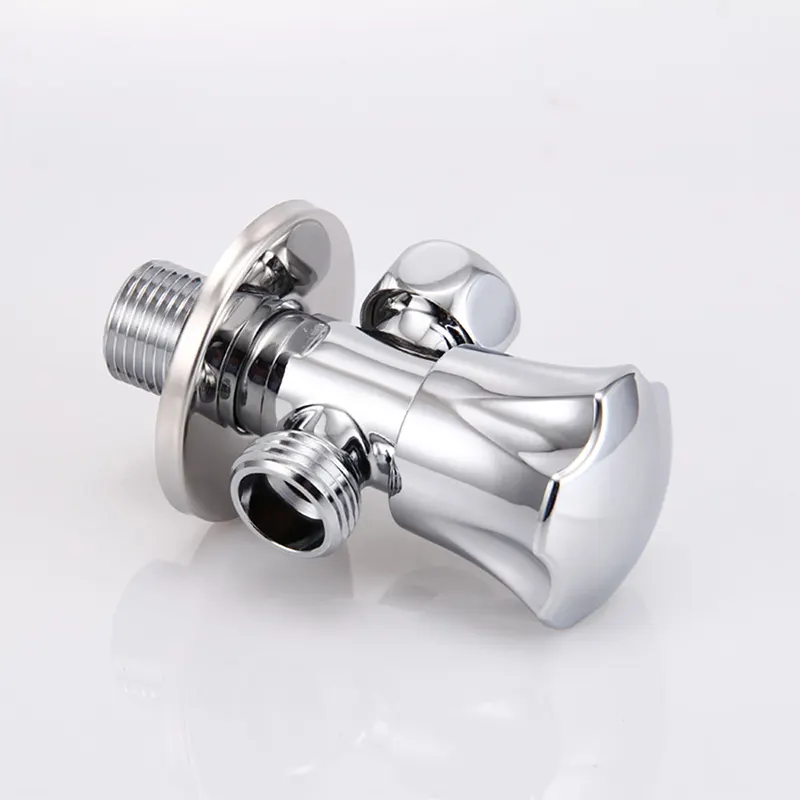 1-in-2 out Single Control Angle Valve
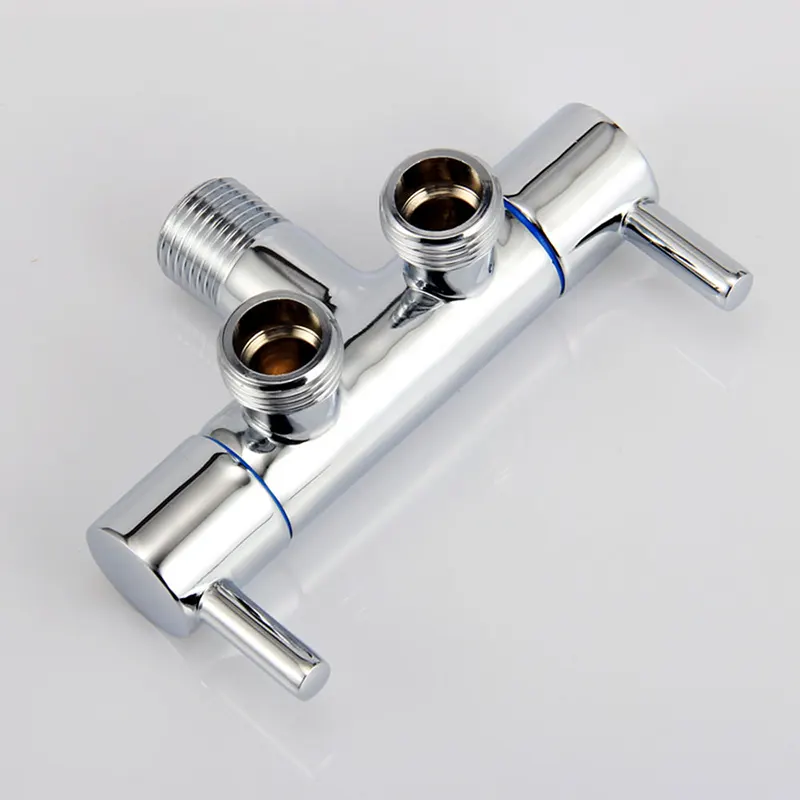 1-in-2-Out Angle Valve Kit
- All new products
- View as
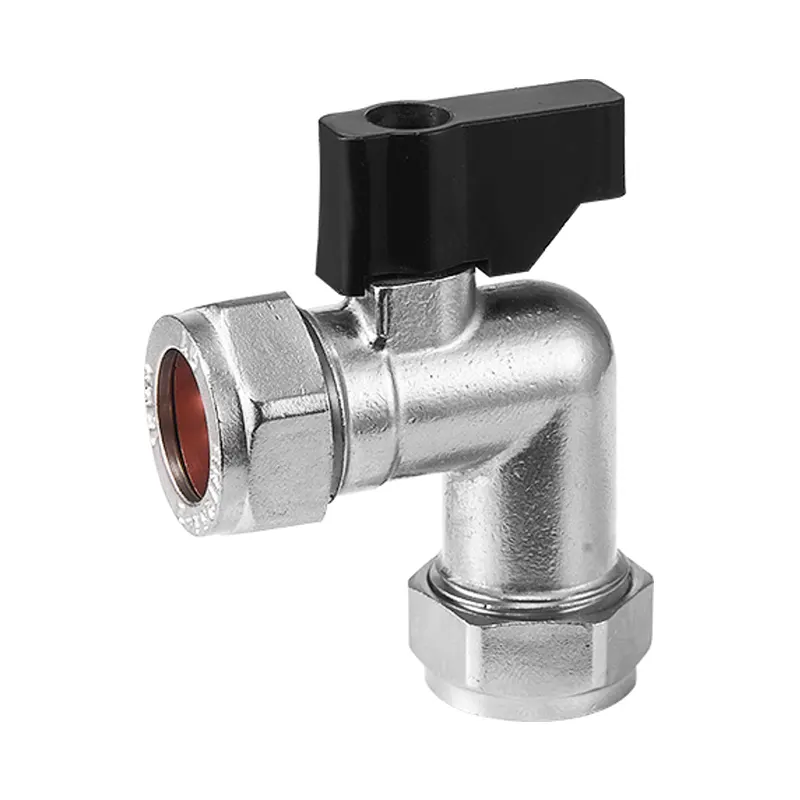
Two-Way Compression Fitting L-Style Right-Angle Ball Valve
Ming Da Hai Chen recommends this Two-Way Compression Fitting L-Style Right-Angle Ball Valve for procurement. It features a forged brass body, full-bore design, PTFE seals, and double-compression fittings, combining 90° turning and on/off control without needing sealing tape. Suitable for tight spaces and compatible with hot/cold water and low-pressure gas, it is durable, easy to install, and a good choice for HVAC and plumbing projects.
View DetailsSend Inquiry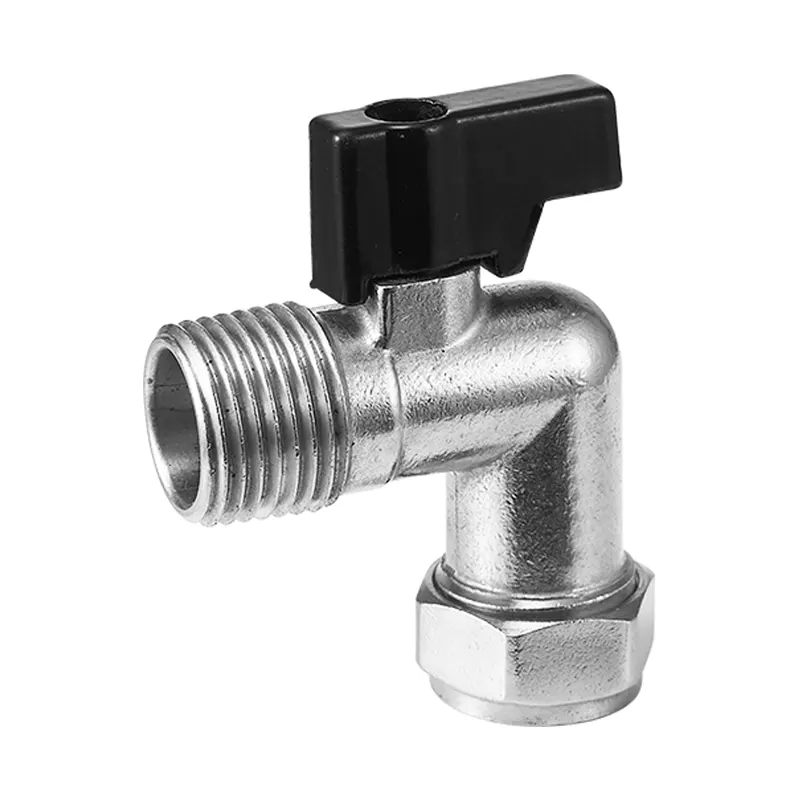
External Thread 90° Bent Full Brass Ball Valve
Manufactured by Ming Da Hai Chen, this External Thread 90° Bent Full Brass Ball Valve is an L-type external thread elbow double ferrule ball valve that integrates 90° pipe steering and water control functions. Adopting one-piece bent full brass forging and full-bore non-reducing flow design, it features high pressure and explosion resistance, dual PTFE anti-leakage sealing and labor-saving ferrule installation. Designed for right-angle pipeline steering, it eliminates extra elbow fittings, perfectly fitting narrow installation spaces for water heaters, wall-hung boilers and heating piping projects.
View DetailsSend Inquiry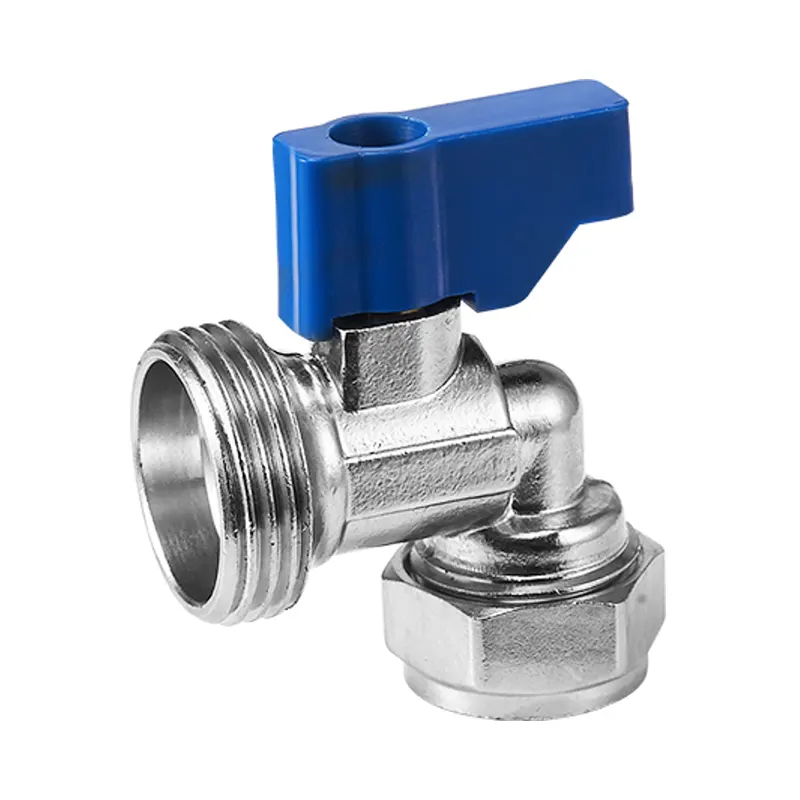
External Thread 90° Aluminum-Plastic Ball Valve
Manufactured by Ming Da Hai Chen, this External Thread 90° Aluminum-Plastic Ball Valve is a professional right-angle pipe control fitting tailored for aluminum-plastic pipe systems. Adopting premium forged brass and full-bore flow design, it features 90° bending steering, excellent pressure resistance and leakproof performance, supporting easy tool-free installation and wide application in household plumbing, floor heating, water heater and low-pressure gas pipeline projects.
View DetailsSend Inquiry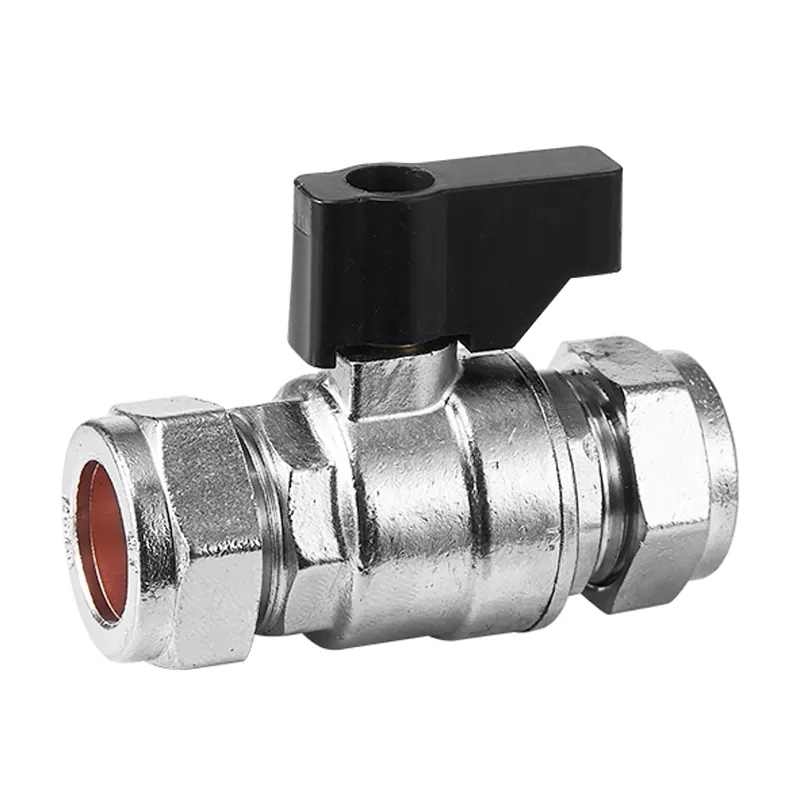
Thickened Double Ferrule Full Brass Straight Ball Valve
Wholesale thickened double ferrule full brass straight ball valve for aluminum plastic composite pipe cut-off control. This thickened double ferrule full brass straight ball valve features thick-wall forged brass body, full bore large flow passage and 90° quick switch black ABS handle, ideal for floor heating manifolds, water heaters and kitchen & bathroom pipeline projects. Buy bulk thickened double ferrule full brass straight ball valve with leakproof PTFE sealing, anti-explosion pressure resistance and long service life for residential hot cold water, solar and low-pressure gas pipelines.
View DetailsSend Inquiry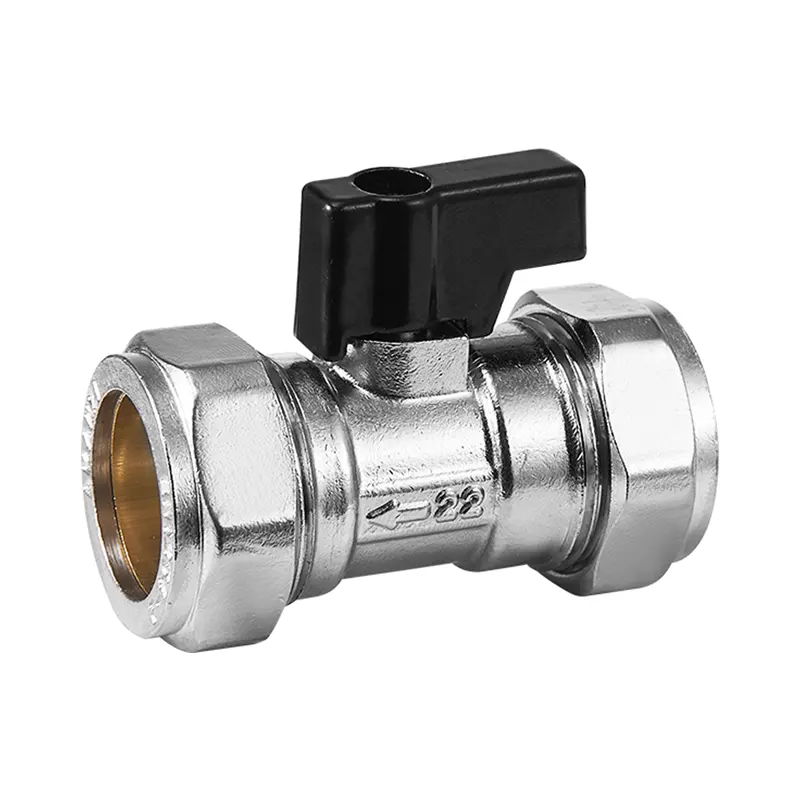
Thickened Brass Double Ferrule Straight-Through Ball Valve
Ming Da Hai Chen Thickened Brass Double Ferrule Straight-Through Ball Valve is specially designed for aluminum-plastic pipe systems. Made of premium chrome-plated thickened brass with one-piece molding, it features high pressure resistance, corrosion resistance and long service life. The full-bore design ensures low flow resistance and smooth water delivery. Equipped with PTFE leak-proof sealing and 90° quick-switch black ABS handle, it supports easy installation and stable use.
View DetailsSend Inquiry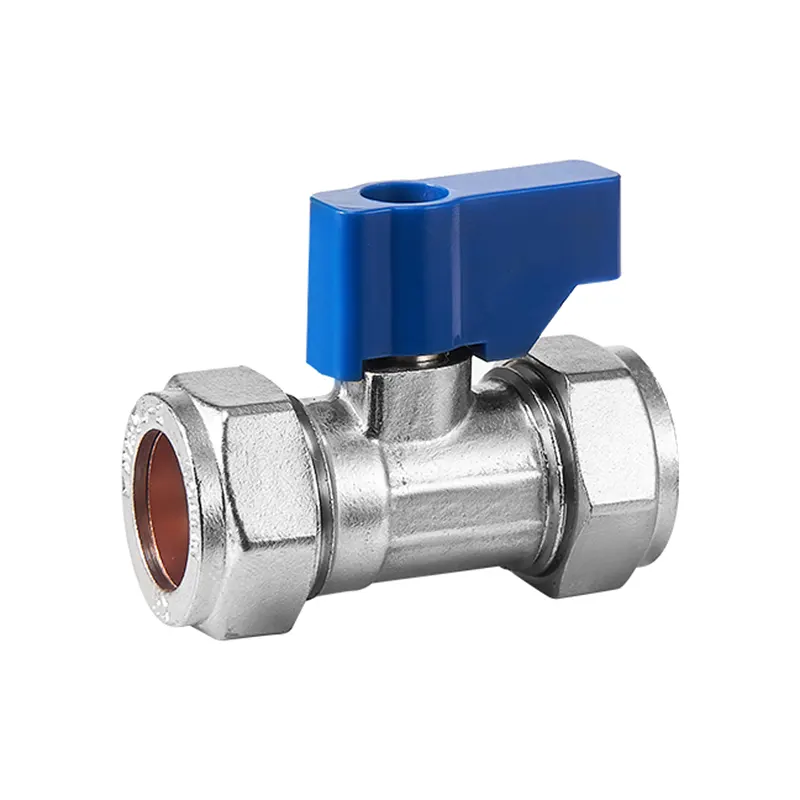
Brass Double Ferrule Straight Ball Valve
Wholesale custom Brass Double Ferrule Straight Ball Valve, bulk aluminum plastic pipe control valve, high pressure leakproof brass valve for household hot & cold water, floor heating, solar pipeline engineering. This Brass Double Ferrule Straight Ball Valve features full bore flow, 90° quick switch, corrosion-resistant chrome-plated brass body, easy installation and low maintenance, ideal for residential pipeline renovation and mechanical equipment piping matching.
View DetailsSend Inquiry
As a reliable Fittings manufacturer and supplier in China, we have custom options and volume discount pricing. Please just send us a quotation!
X
We use cookies to offer you a better browsing experience, analyze site traffic and personalize content. By using this site, you agree to our use of cookies.
Privacy Policy