 English
 Español
 Português
 русский
 Français
 日本語
日本語 Deutsch
 tiếng Việt
 Italiano
 Nederlands
 ภาษาไทย
 Polski
 한국어
한국어 Svenska
 magyar
 Malay
Malay বাংলা ভাষার
 Dansk
Dansk Suomi
Suomi العربية

High-quality and durable Fitting Pipe
Professional Guide to Fitting Pipes: Specifications, Selection, and FAQs
In industrial, plumbing, and construction systems, the integrity and efficiency of the entire network heavily depend on the components used to connect pipes. These critical components, known as Fitting Pipe or pipe fittings, are far from mere connectors. They direct flow, change direction, alter pipe dimensions, and terminate lines, ensuring a secure, leak-proof, and durable system. For engineers, project managers, and procurement specialists, selecting the right fitting is a decision that impacts project longevity, safety, and total cost of operation. This guide provides a detailed, professional overview of Fitting Pipe parameters, supported by specifications and expert FAQs, highlighting the precision engineering behind brands like Ming Da Hai Chen Metal.
Core Parameters for Specifying Fitting Pipe
Choosing the correct fitting requires a thorough understanding of its key parameters. These specifications ensure compatibility with your existing pipework and suitability for the intended service.
Material of Construction
The material defines the fitting's strength, corrosion resistance, temperature tolerance, and application suitability. Common materials include:
Carbon Steel (ASTM A234 WPB): The industry standard for high-strength applications in oil, gas, and steam lines. Offers excellent durability and weldability.
Stainless Steel (ASTM A403 WP316/304): Provides superior corrosion and oxidation resistance. Ideal for chemical, food processing, pharmaceutical, and marine applications.
Alloy Steel (ASTM A234 WP1/WP5/WP9/WP11): Designed for high-temperature and high-pressure services, such as power plants and refineries.
Brass and Copper: Excellent for plumbing, HVAC, and low-pressure decorative applications due to good machinability and corrosion resistance.
Duplex & Super Duplex Stainless Steel: Offer enhanced strength and chloride stress corrosion cracking resistance, used in offshore and harsh chemical environments.
Ming Da Hai Chen Metal specializes in manufacturing fittings from these grades, adhering to international ASTM, ASME, and EN standards to guarantee material traceability and performance.
Frequently Asked Questions (FAQ) About Fitting Pipes
Q: What is the main difference between a "Seamless" and a "Welded" fitting?
A: The difference lies in the manufacturing process. Seamless fittings are formed from a single piece of solid steel billet without any welded seam. This process generally results in fittings with more uniform strength and better performance under high pressure and cyclical loading. Welded fittings are made by bending and welding steel plate or pipe. While modern welded fittings from reputable manufacturers like Ming Da Hai Chen Metal are of high quality and meet all standards, seamless fittings are often specified for the most critical services. The choice depends on the application's pressure, temperature, and code requirements.
Q: How do I select the correct pressure class (e.g., 150, 300, 600) for my application?
A: The pressure class selection is based on the design pressure and temperature of your piping system. You must consult the applicable piping code (e.g., ASME B31.1 for Power Piping, B31.3 for Process Piping) and the pressure-temperature rating tables provided in standards like ASME B16.5 (for flanges) or B16.34 (for valves/fittings). These tables show the maximum allowable non-shock working pressure at a given temperature for each class. A Class 300 fitting will have a higher pressure rating at the same temperature than a Class 150 fitting. An engineer typically performs this calculation to ensure safety and compliance.
Q: When should I use an Eccentric Reducer versus a Concentric Reducer?
A: This is a crucial practical decision. A Concentric Reducer, which is symmetrical around the centerline, is used in vertical pipe runs or where air accumulation is not a concern. An Eccentric Reducer has one flat side, allowing it to maintain a constant bottom-of-pipe or top-of-pipe elevation. Use an eccentric reducer with the flat side on top in horizontal pump suction lines to prevent air pockets. Use it with the flat side on the bottom in horizontal drain lines to prevent sediment accumulation. This ensures smooth flow and avoids operational issues.
Q: What certifications should I look for when sourcing industrial pipe fittings?
A: Reputable manufacturers provide certifications that validate product quality and traceability. Key certificates include:
- Material Test Certificate (MTC/MTR): A mill report verifying chemical composition and mechanical properties of the raw material.
- Certificate of Conformity (CoC): States the product conforms to the ordered specification (e.g., ASTM A234).
- Third-Party Inspection Reports: From agencies like SGS, BV, or Lloyd's Register, confirming dimensions, testing, and marking.
- ISO 9001:2015: Indicates the manufacturer has a certified Quality Management System in place.
Q: How do I ensure weld quality when installing butt-weld fittings?
A: Proper welding is critical for joint integrity. Key steps include:
- Fit-Up: Ensure proper alignment and a consistent root gap between the fitting bevel and the pipe bevel.
- Cleaning: Remove all rust, paint, oil, and moisture from the welding zone (inside and out).
- Welding Procedure Specification (WPS): Use a qualified WPS suitable for the fitting and pipe material. Welders should be certified.
- Consumables: Use the correct electrode or filler wire (e.g., E7018 for carbon steel).
- Post-Weld (if required): For certain alloy steels, post-weld heat treatment (PWHT) is necessary to relieve stresses.
Q: Can I mix fitting brands within the same piping system?
A: While it is technically possible if all fittings meet the same ASTM/ASME dimensional standards, it is generally not recommended for critical systems. Mixing brands can lead to slight variations in material chemistry, heat treatment, or dimensional tolerances that may affect long-term performance and weldability. For consistency in quality, traceability, and appearance, it is best practice to source all fittings for a specific project or system loop from a single, reliable manufacturer like Ming Da Hai Chen Metal.
Why Precision in Fitting Pipe Selection Matters
The selection of Fitting Pipes is a fundamental engineering task. An underspecified fitting can lead to leaks, ruptures, and costly downtime, while an overspecified one unnecessarily increases project capital expenditure. By understanding the detailed parameters—material, type, size, pressure rating, and end connection—you make informed, cost-effective, and safe decisions. Partnering with a manufacturer that prioritizes strict adherence to international standards, rigorous testing, and material traceability, such as Ming Da Hai Chen Metal, provides the technical assurance required for successful project execution and long-term operational reliability.
Products
New Products
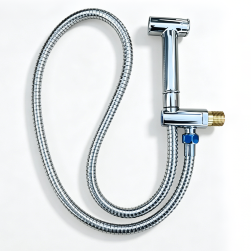 Middle East Hot Sale Handheld Bidet Sprayer Set, Chrome‑Plated Brass Push‑Button Sprayer Gun, 1.2M 304 Stainless Steel Hose, Home Toilet Cleaning Pressure Boost Spray Kit
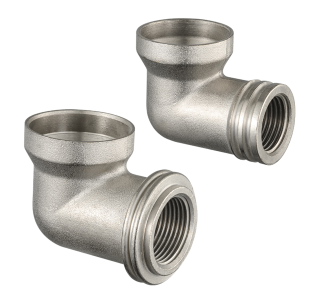 Brass 90-Degree Elbow Pipe Fitting, Internal Thread Reducing Elbow for Plumbing
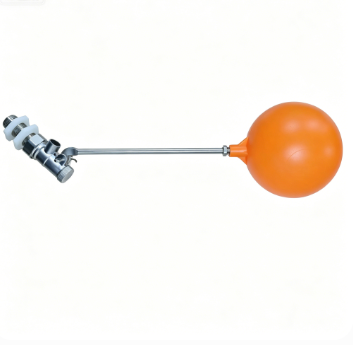 304 Stainless Steel Float Valve Automatic Water Level Controller
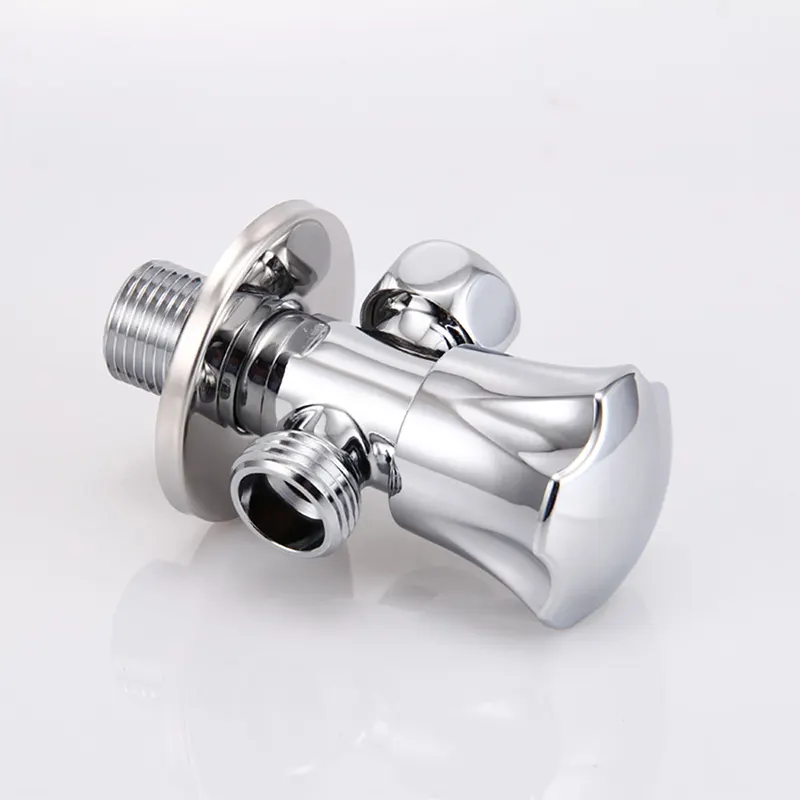 1-in-2 out Single Control Angle Valve
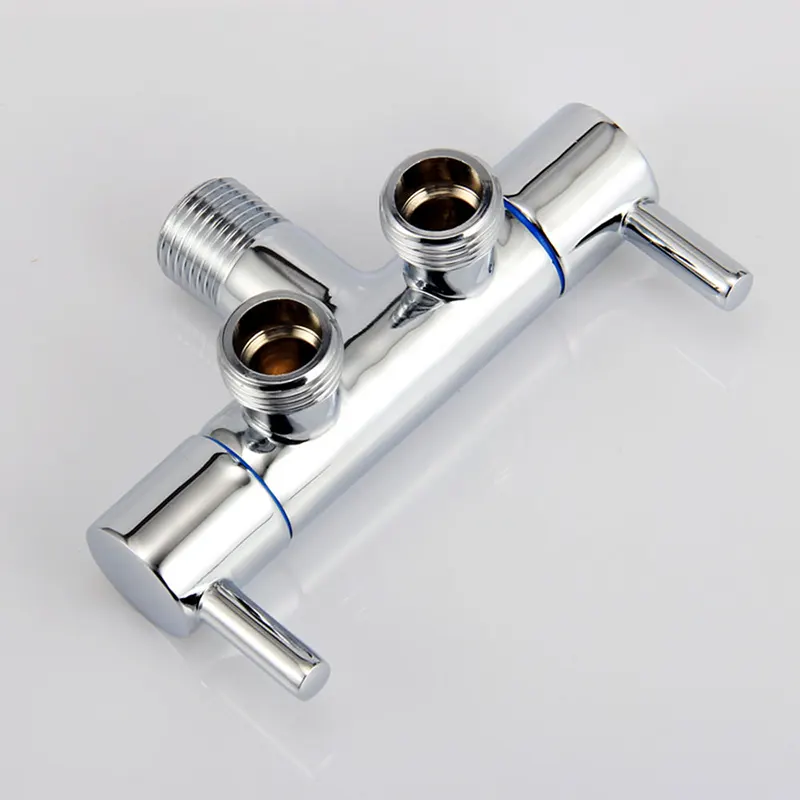 1-in-2-Out Angle Valve Kit
- All new products
- View as
Brass 90-Degree Elbow Pipe Fitting, Internal Thread Reducing Elbow for Plumbing
This brass reducing elbow is a durable and corrosion-resistant pipe fitting, designed to connect pipes of different diameters at a 90-degree angle in plumbing, heating, and water systems. It features precision internal threads for a secure and leak-proof connection.
View DetailsSend Inquiry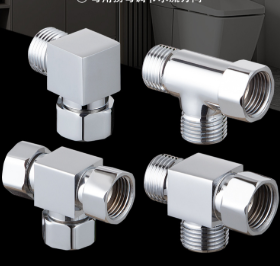
Solid Brass G1/2 3-Way Connector, 1 Inlet 2 Outlet Male Female Thread Pipe Fitting
This heavy-duty 3-way tee fitting is crafted from 57-3 solid brass with a thickened 4mm wall, featuring a swivel female nut, standard G1/2" (4-point) universal thread, and multi-layer chrome plating. With high pressure resistance, explosion-proof performance, and leak-proof design, it delivers reliable water diversion and pipe connection, ideal for bathroom, toilet, kitchen and household plumbing systems.
View DetailsSend Inquiry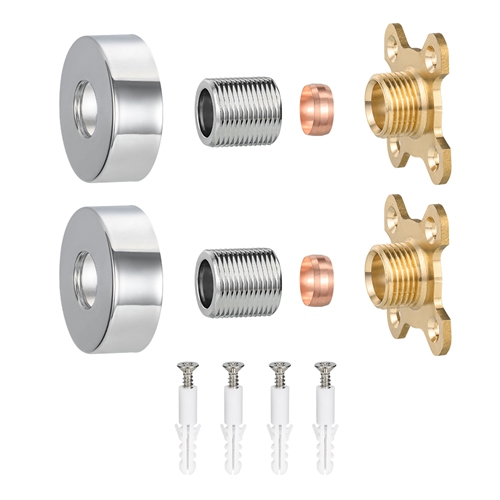
Silver Round Shower Mounting Kits
As a manufacturer with over 15 years of experience in shower mounting products, MING DA HAI CHEN ensure product quality while providing efficient supply chain support from order receiving to delivery. This round shower mounting kits customized for the UK market is mainly used for the stable installation and support of bathroom faucets. The main body of the product is made of a combination of brass and carbon steel, featuring both durability and structural strength.
View DetailsSend Inquiry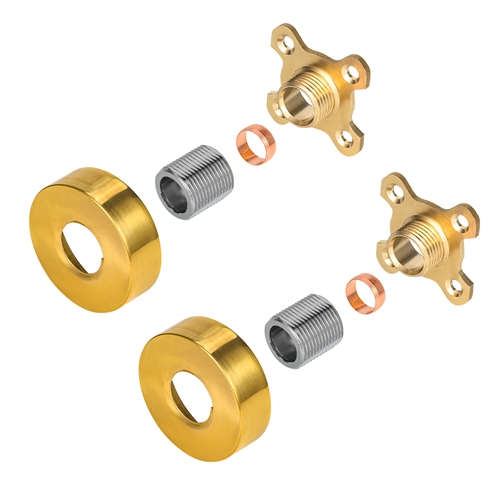
Gold Round Shower Mounting Kits
As a manufacturer with over 15 years of experience in shower mounting products, MING DA HAI CHEN ensure product quality while providing efficient supply chain support from order receiving to delivery. This round shower mounting kits customized for the UK market is mainly used for the stable installation and support of bathroom faucets. The main body of the product is made of a combination of brass and carbon steel, featuring both durability and structural strength.
View DetailsSend Inquiry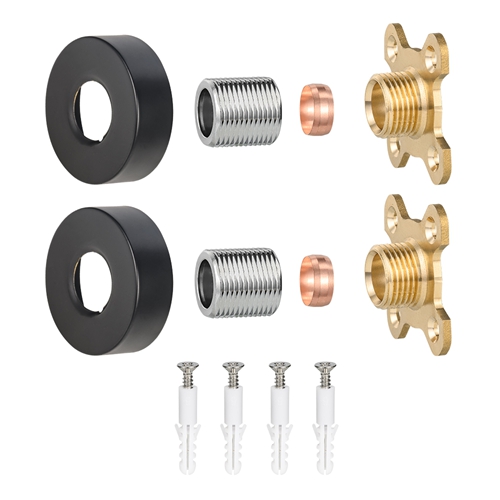
Black Shower Plate for another style
The black shower plate developed by MING DA HAI CHEN specifically for the British market is mainly used for the core connection and fixation of the shower system The main body is made of a mixture of brass and carbon steel, which has good performance in both durability and stability. Our products are suitable for a wide range of piping systems. We offer quality assurance and prompt delivery. The minimum order quantity is 100 pieces. We look forward to your inquiry.
View DetailsSend Inquiry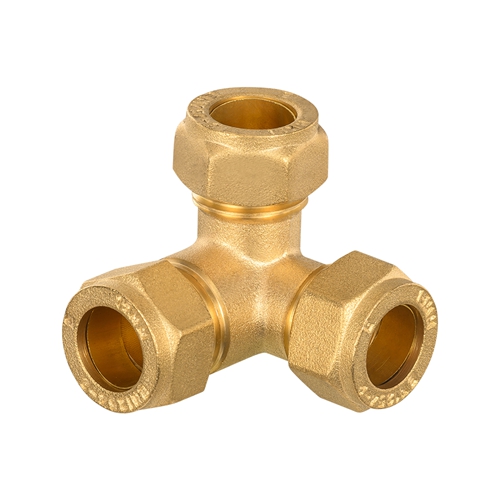
As a reliable Fitting Pipe manufacturer and supplier in China, we have custom options and volume discount pricing. Please just send us a quotation!
X
We use cookies to offer you a better browsing experience, analyze site traffic and personalize content. By using this site, you agree to our use of cookies.
Privacy Policy