 English
 Español
 Português
 русский
 Français
 日本語
日本語 Deutsch
 tiếng Việt
 Italiano
 Nederlands
 ภาษาไทย
 Polski
 한국어
한국어 Svenska
 magyar
 Malay
Malay বাংলা ভাষার
 Dansk
Dansk Suomi
Suomi العربية
Products
New Products
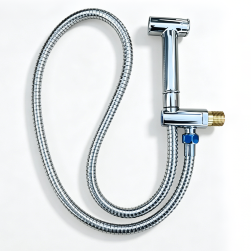 Middle East Hot Sale Handheld Bidet Sprayer Set, Chrome‑Plated Brass Push‑Button Sprayer Gun, 1.2M 304 Stainless Steel Hose, Home Toilet Cleaning Pressure Boost Spray Kit
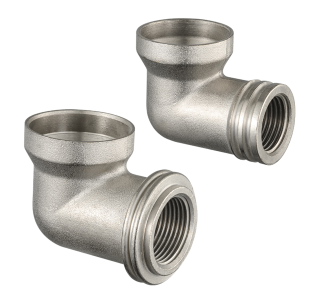 Brass 90-Degree Elbow Pipe Fitting, Internal Thread Reducing Elbow for Plumbing
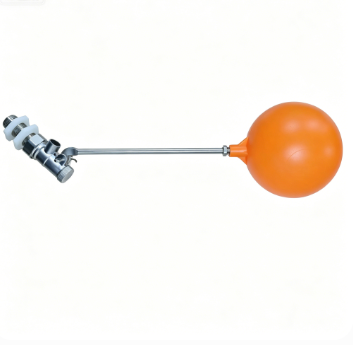 304 Stainless Steel Float Valve Automatic Water Level Controller
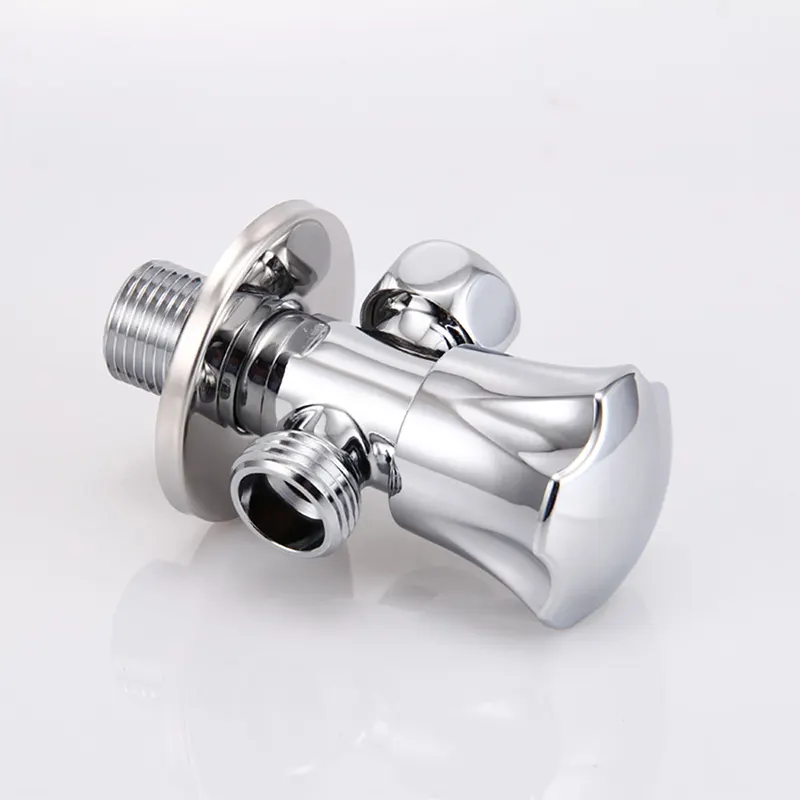 1-in-2 out Single Control Angle Valve
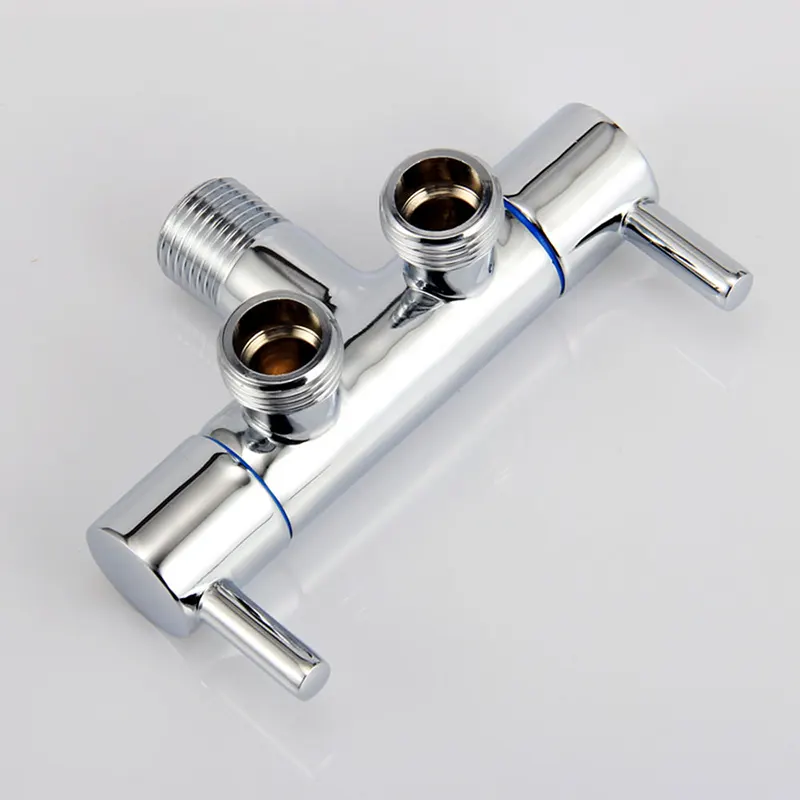 1-in-2-Out Angle Valve Kit
- All new products
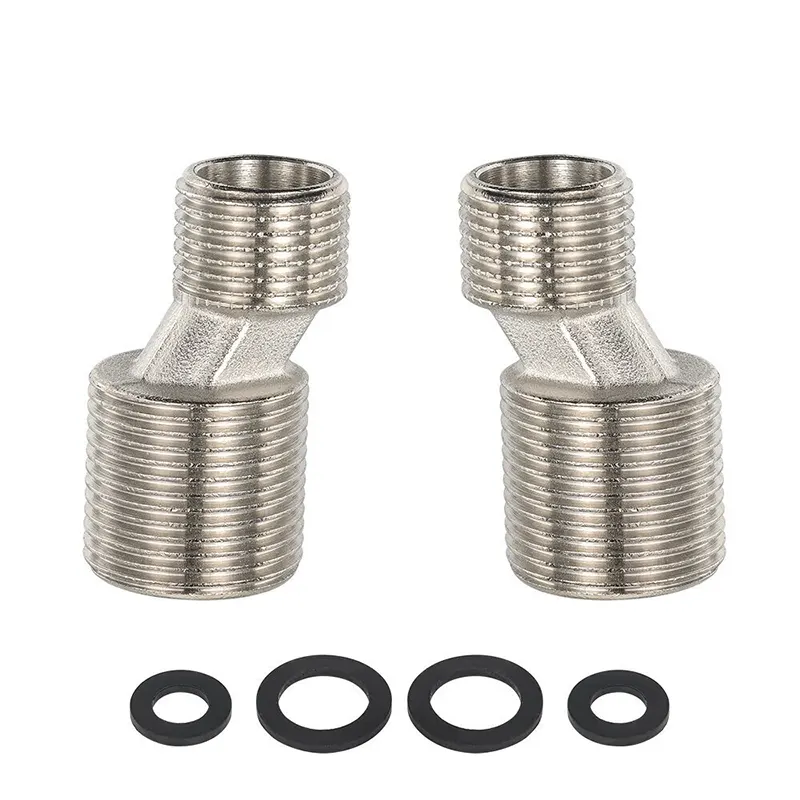

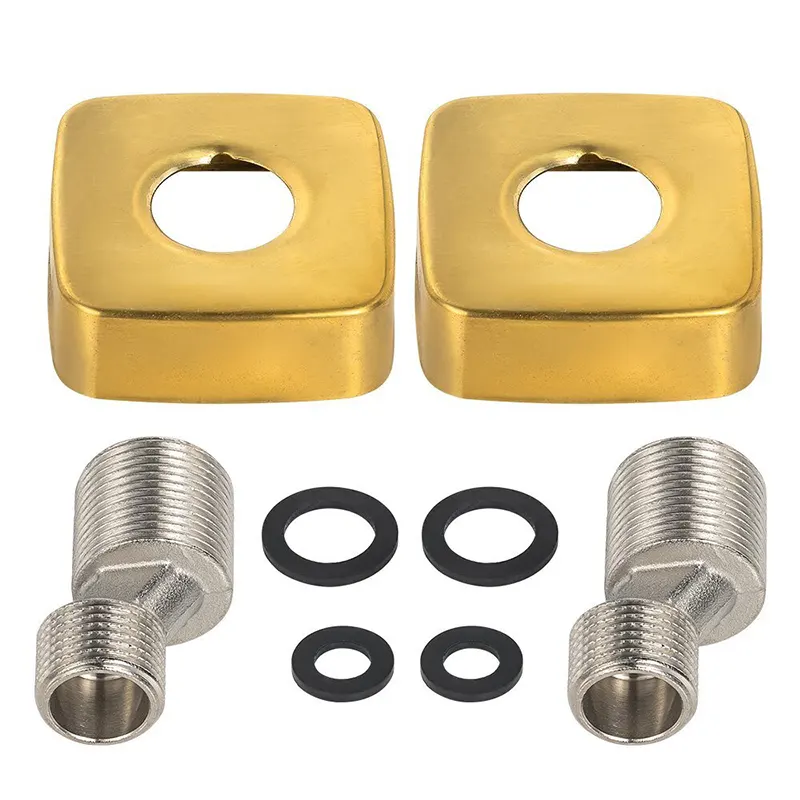


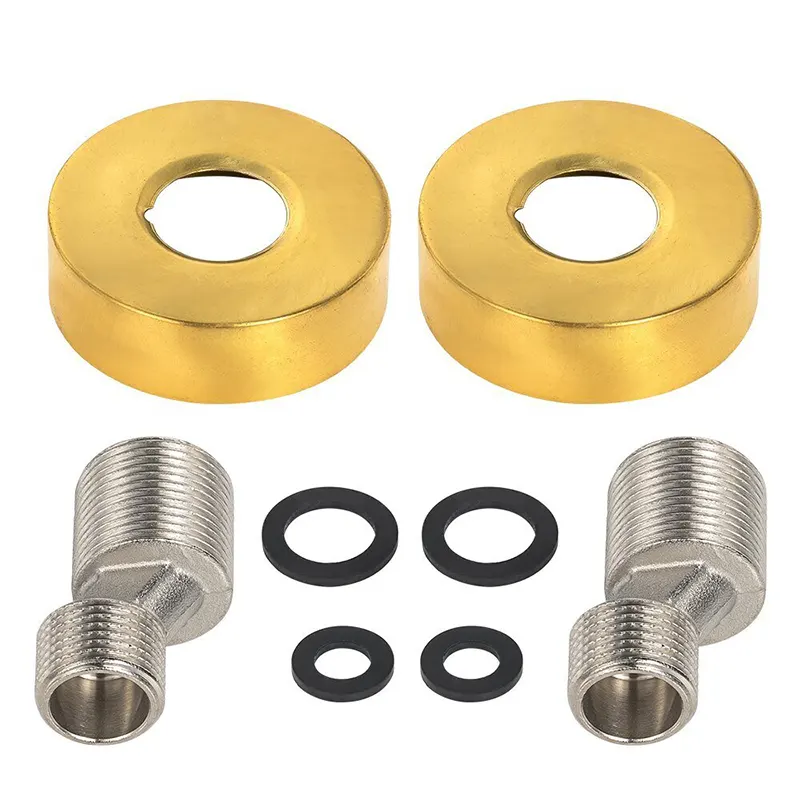
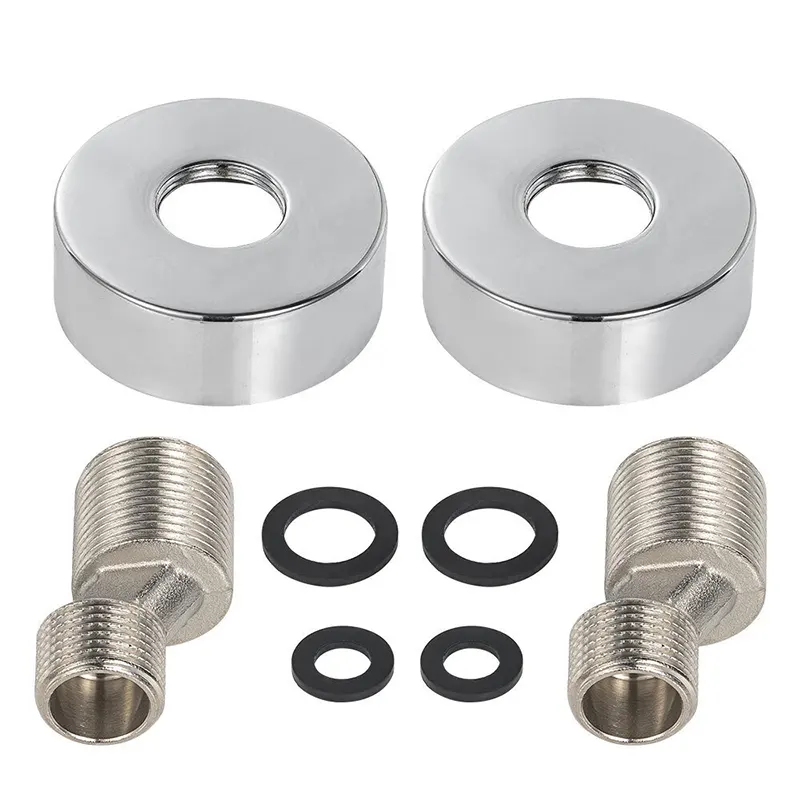

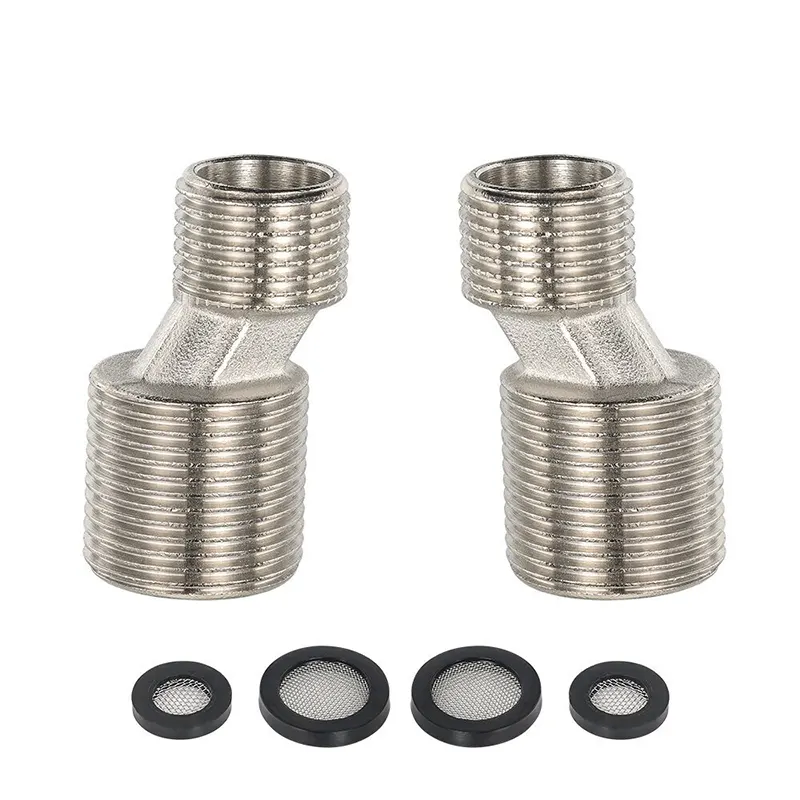
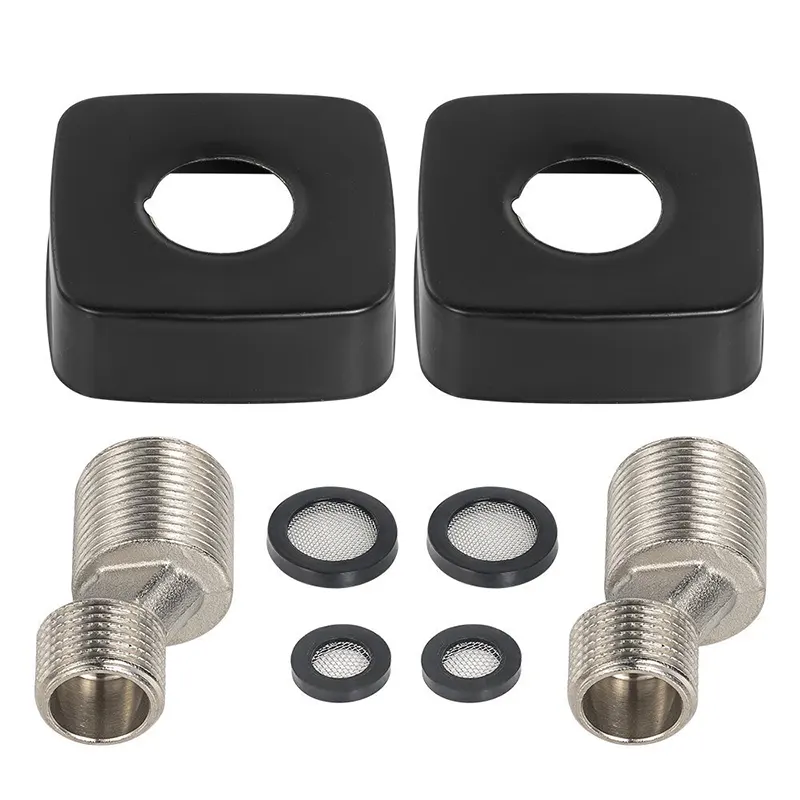
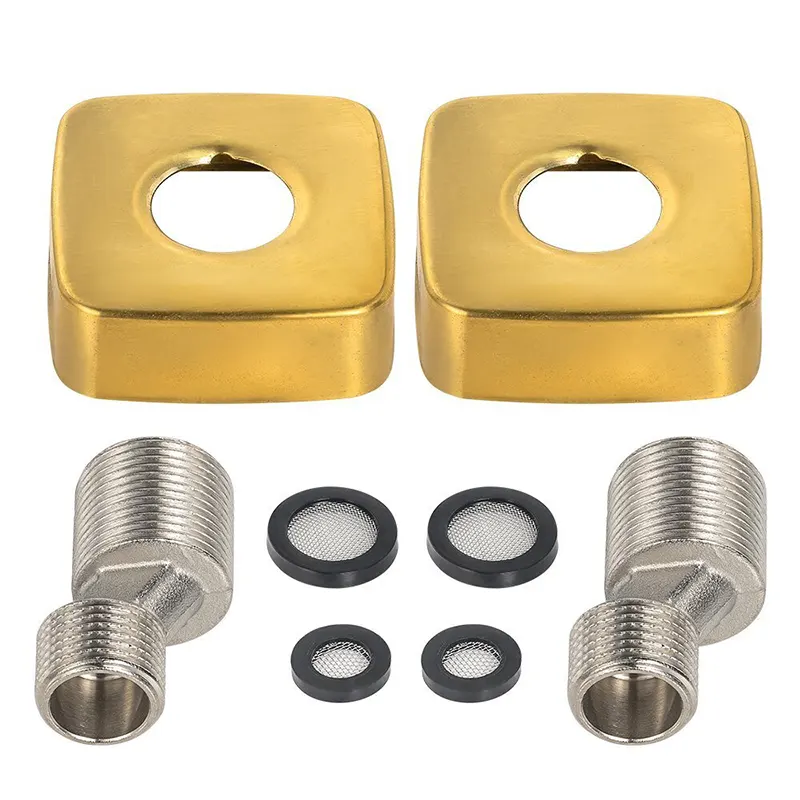
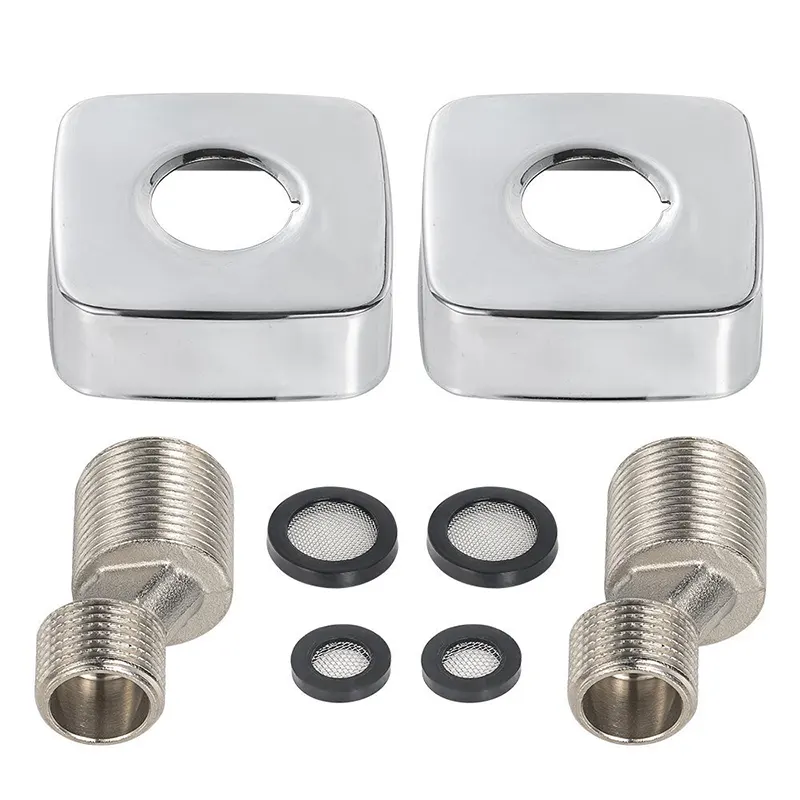
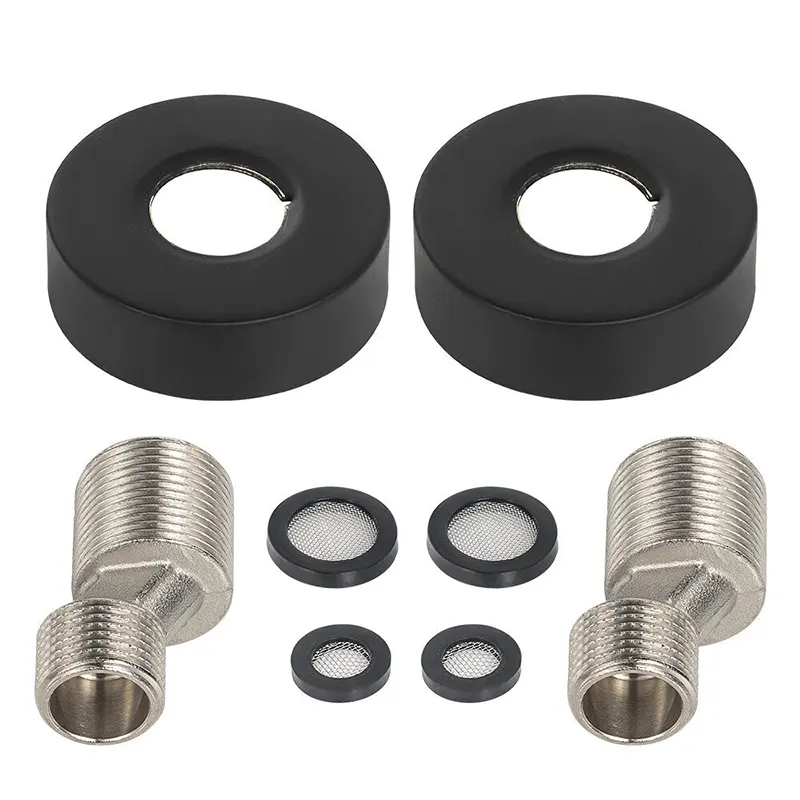
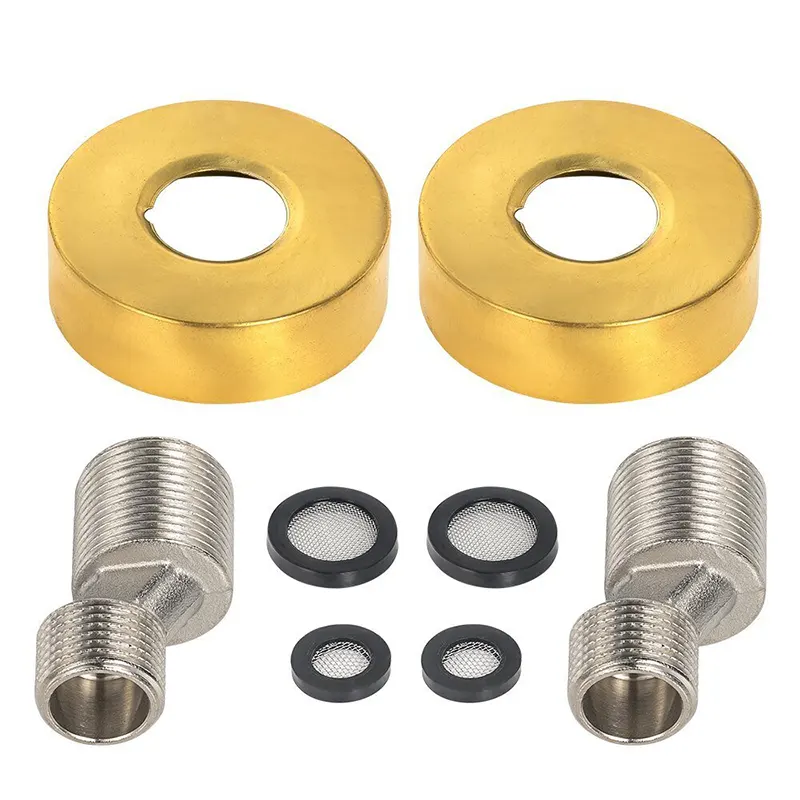
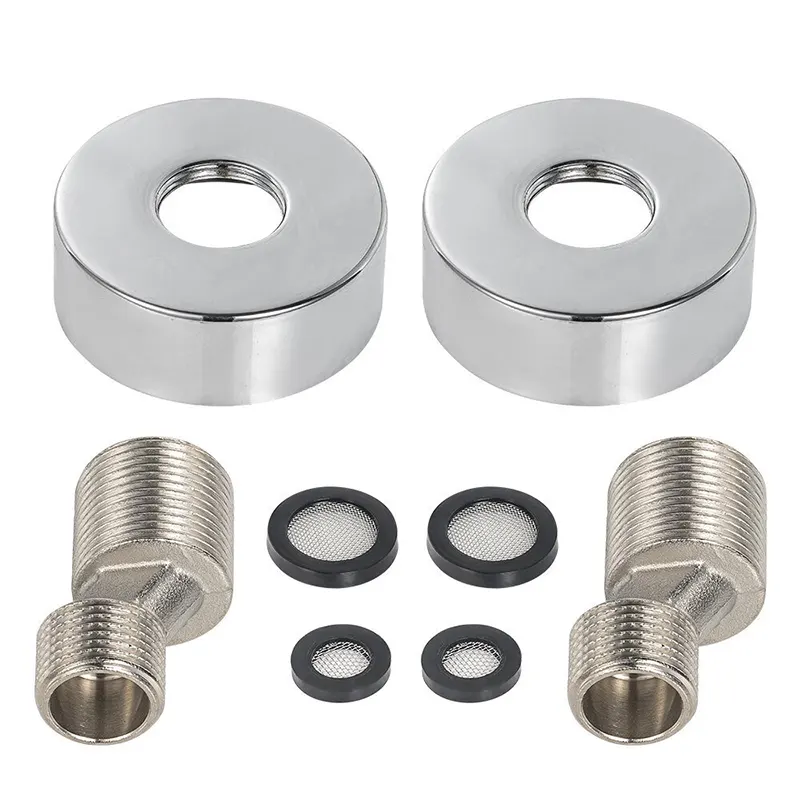
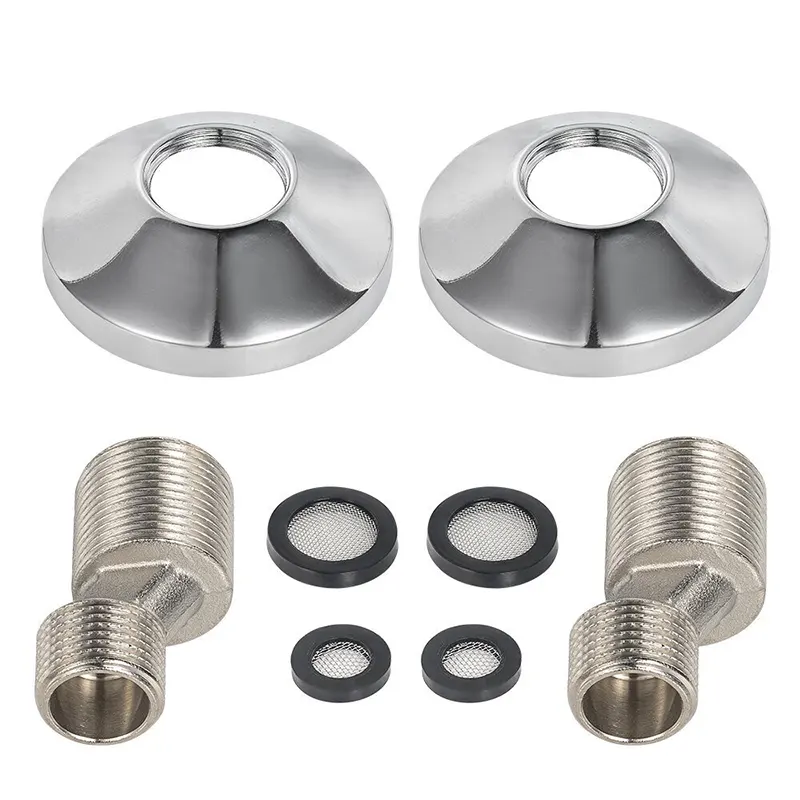
½×¾ Long Bath Shoe Gasket
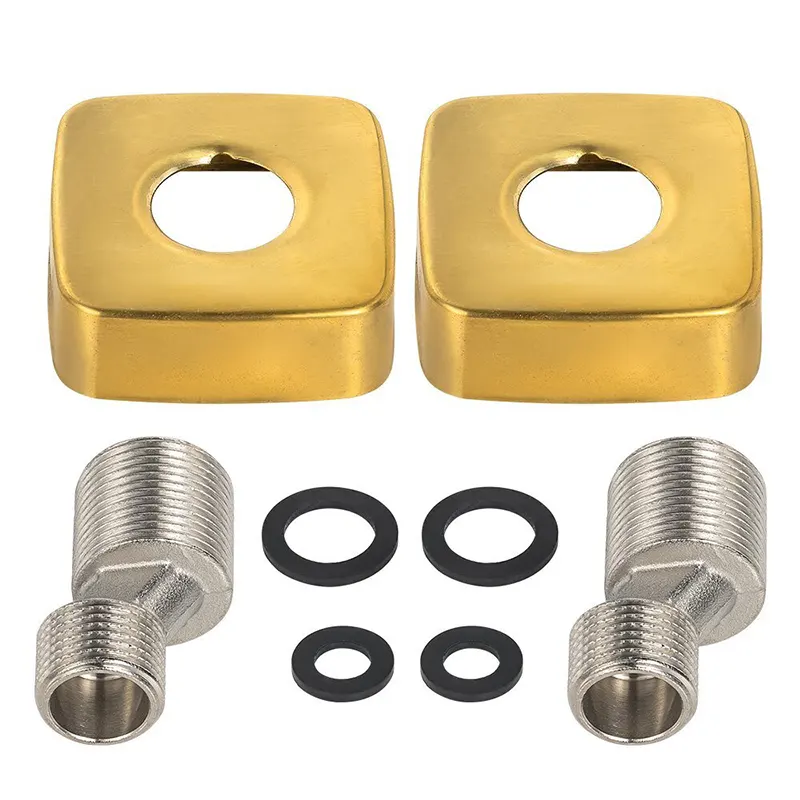
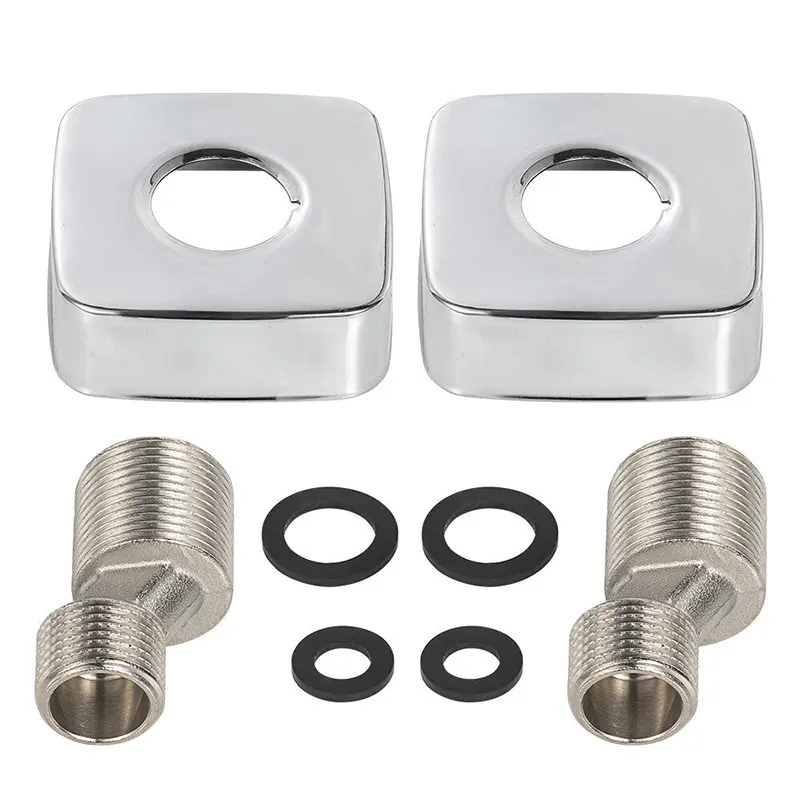
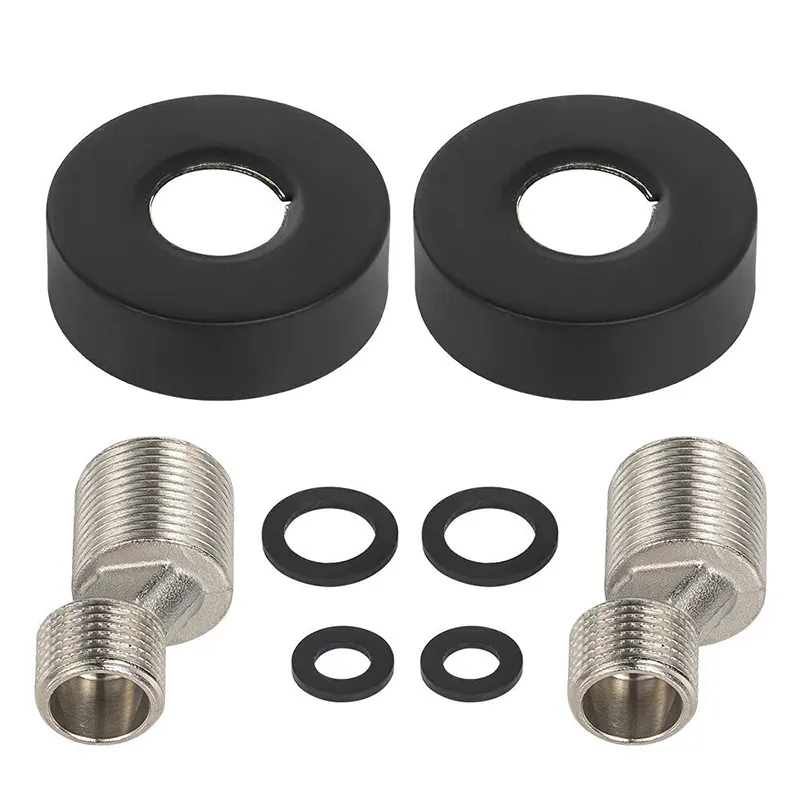
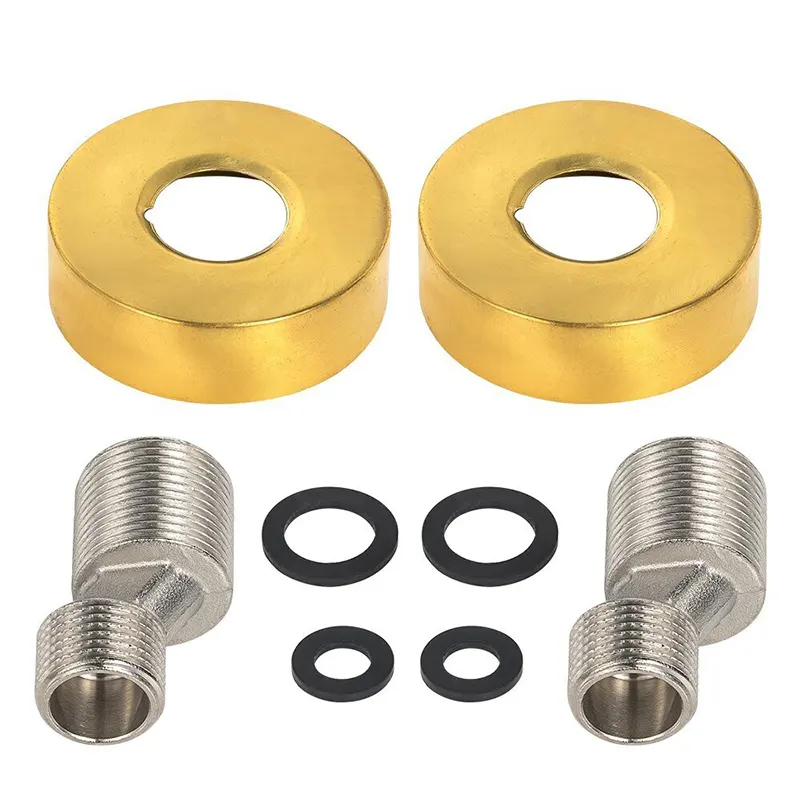
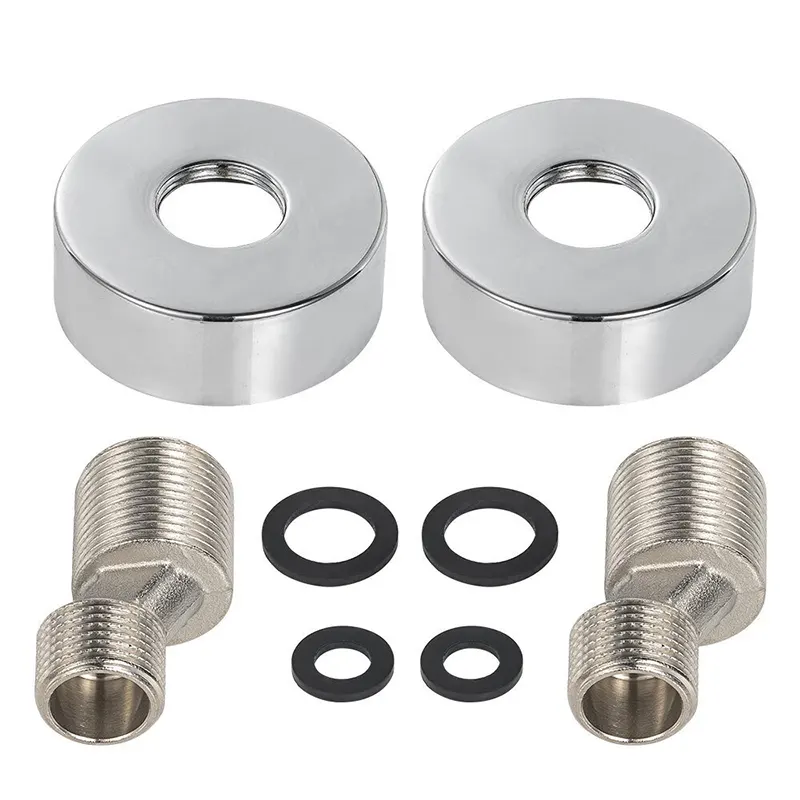
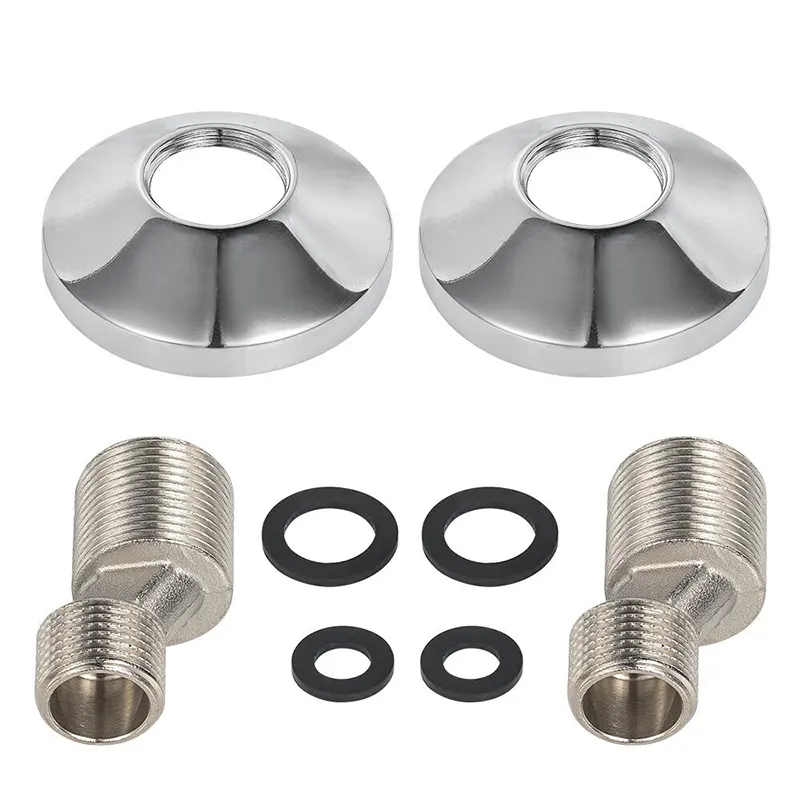
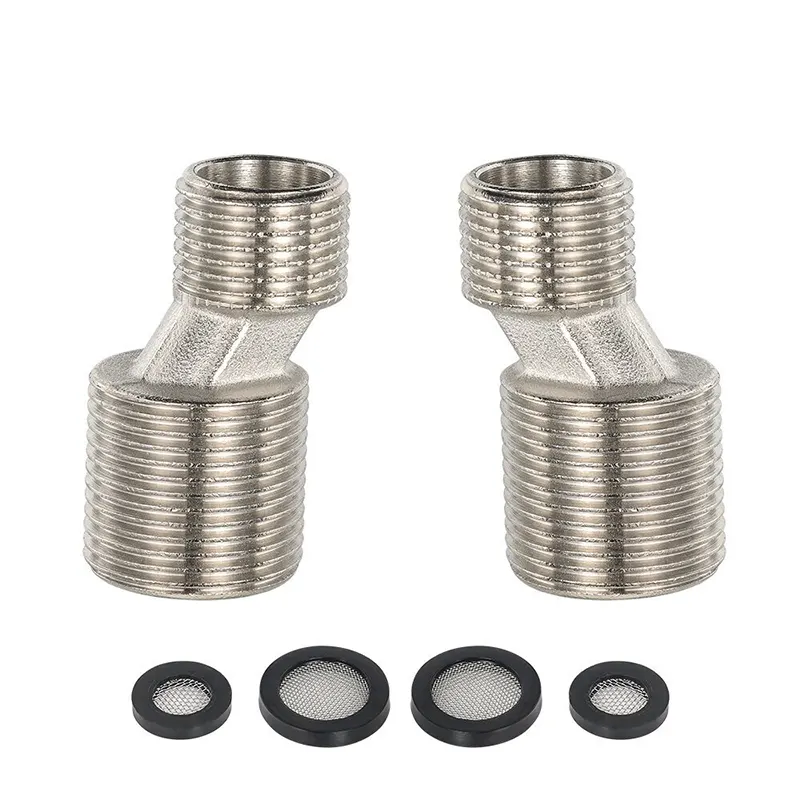
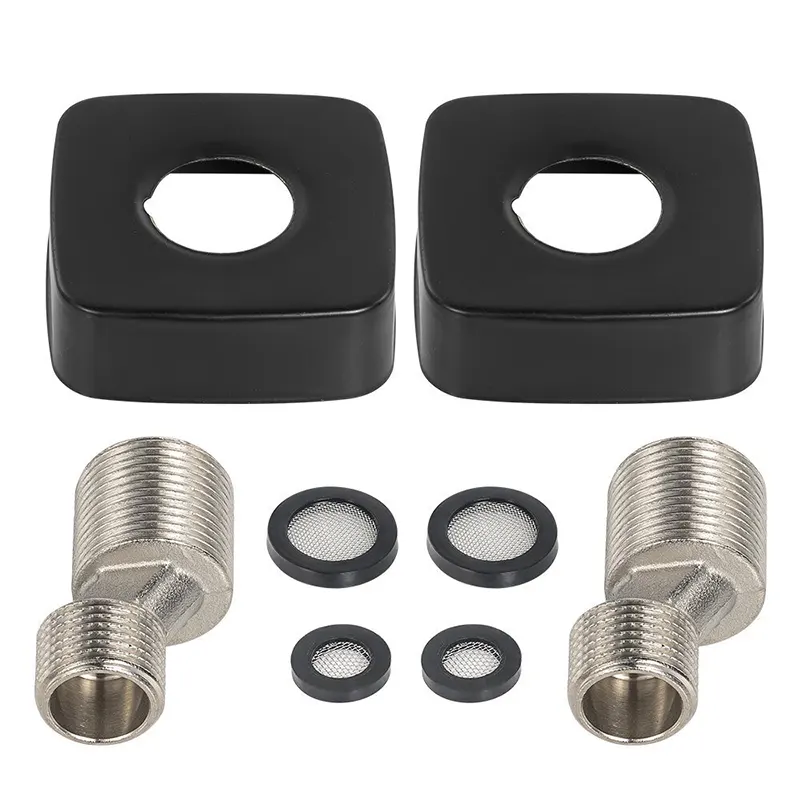
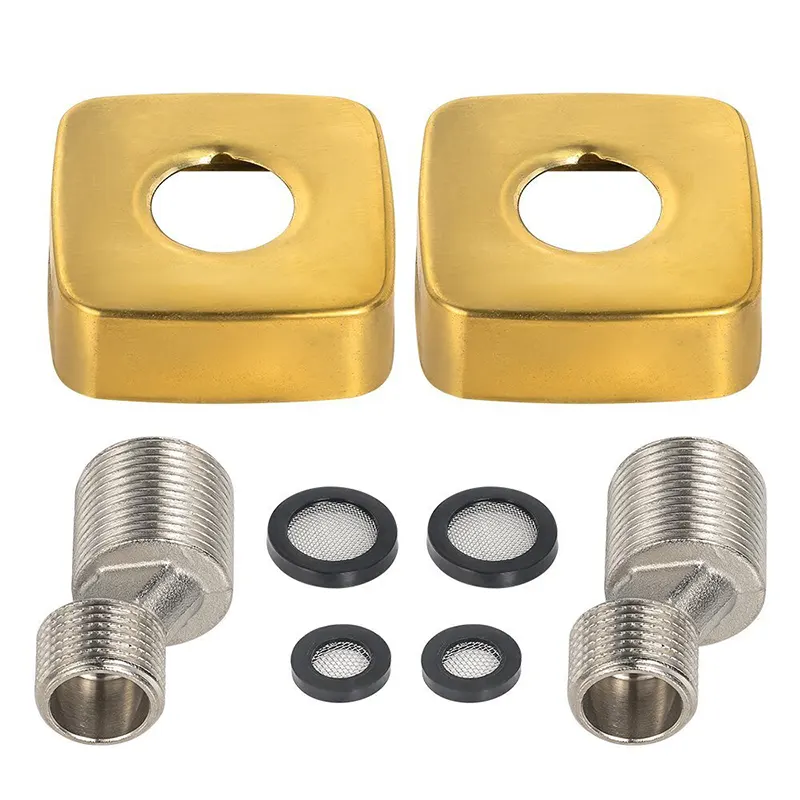
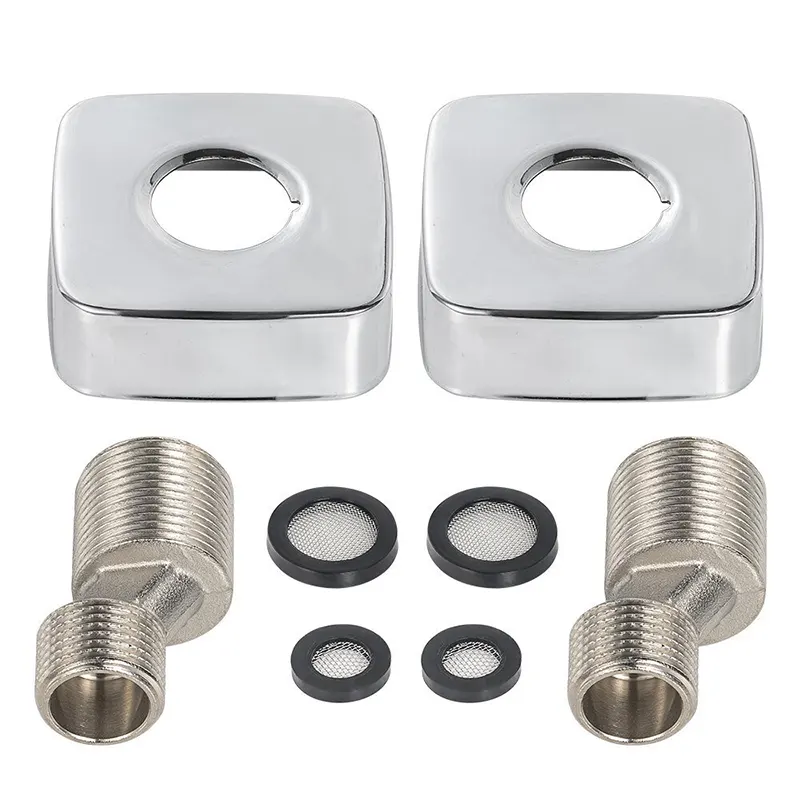
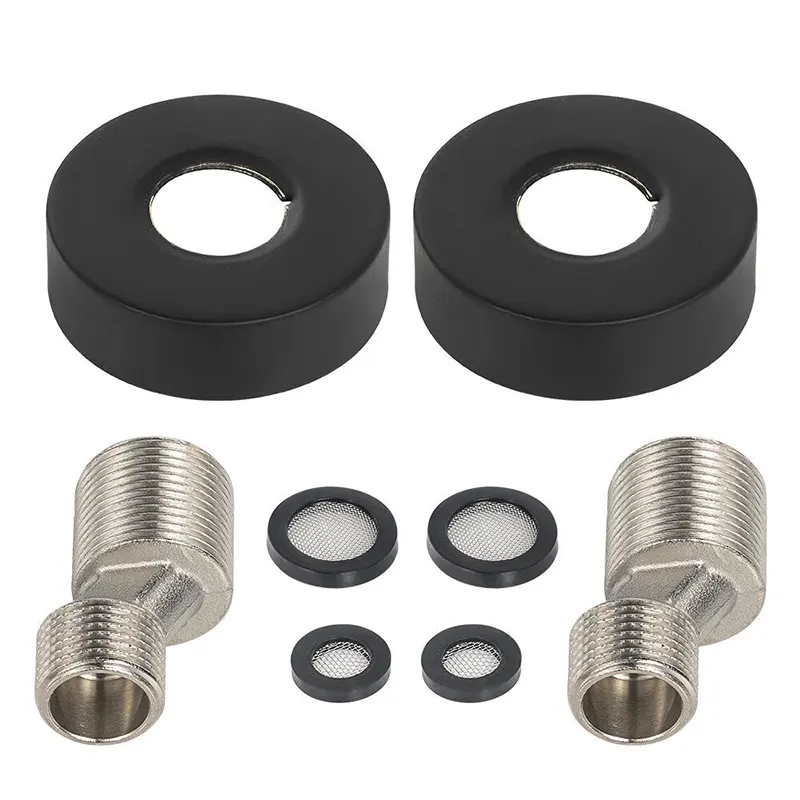
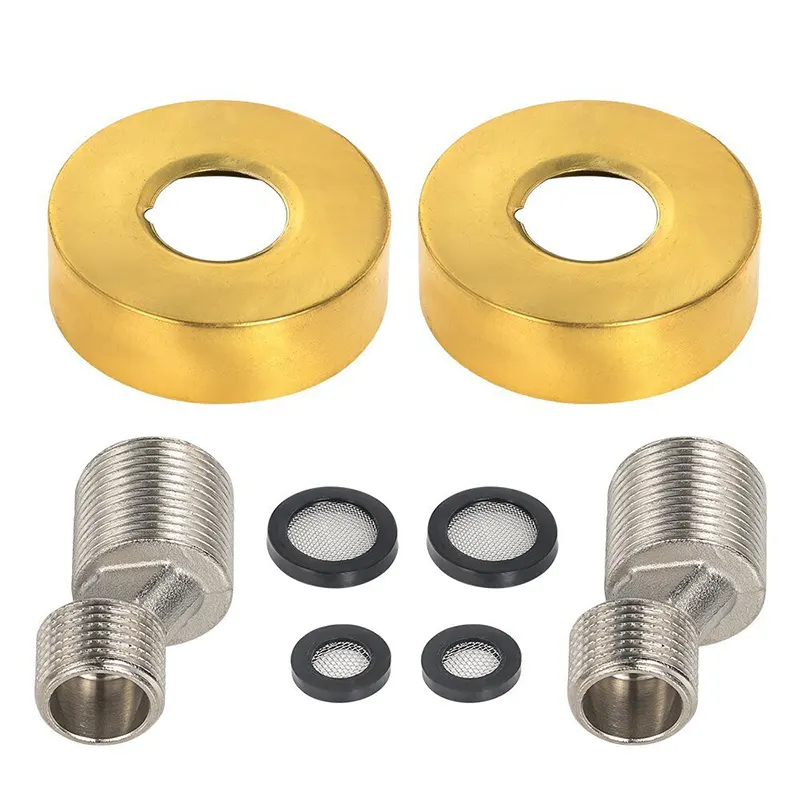
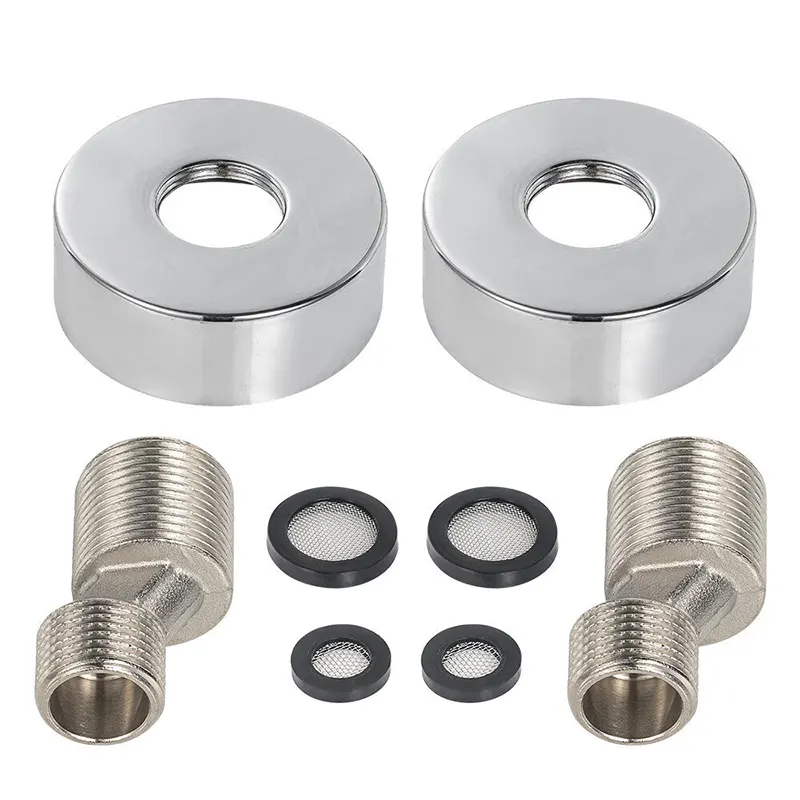
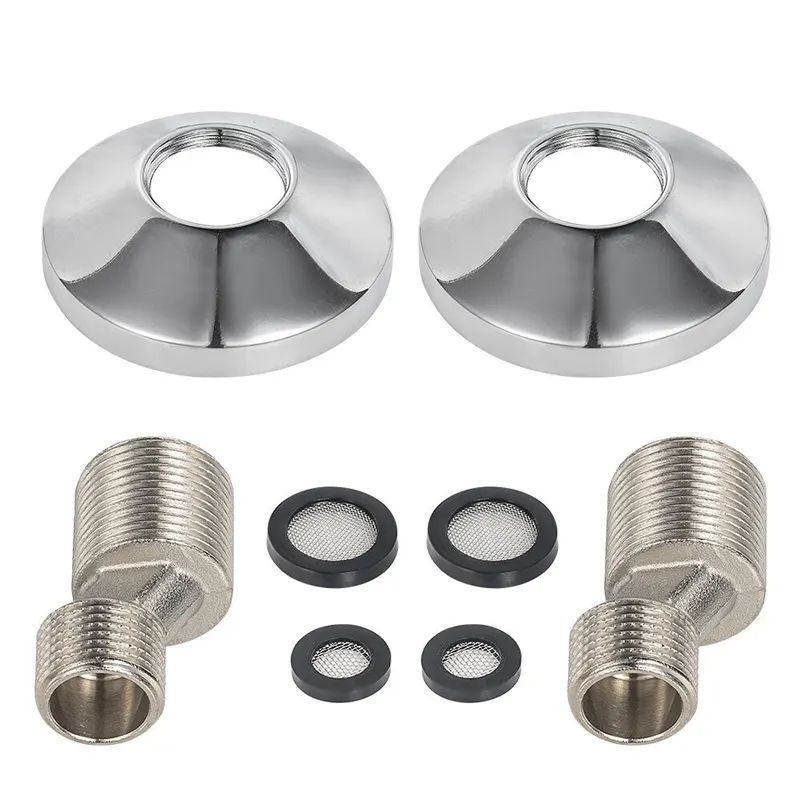
½×¾ Long Bath Shoe Gasket play a significant role in family life. Correct installation and use of gaskets can prevent water leakage and ensure the safety and comfort of family life. When choosing the material and installation method of the gasket, the decision should be made based on the actual situation. If you have any questions, you can leave a message to consult us for professional help.
Send Inquiry
Product Description
½×¾ Long Bath Shoe Gasket Sealed and leak-proof: Prevent water from beneath the faucet base from seeping into the cabinet along the installation holes.
Buffering and scratch resistance: Protect fragile ceramic or stone countertops/sinks from being scratched by the metal faucet base, while filling in minor unevenness to make the installation more stable.
The faucet installation gasket is a small component, but it bears the significant responsibility of sealing and preventing leakage as well as protecting the countertop. When installing or replacing a faucet, never neglect it.
Choosing a high-quality material (such as silicone) and an irregular-shaped gasket with a "skirt edge" and installing it correctly can save your kitchen or bathroom from many potential water leakage troubles and property losses.
How to install a shower head gasket correctly?
1. Remove the old gasket, clean the dirt and debris at the interface, and keep it dry and clean.
2. Place the new gasket at the interface, making sure it fits tightly to the wall, showerhead and hose without leaving any gaps.
3. Tighten the interface, but do not apply excessive force to avoid damaging the showerhead, hose and gasket.
4. Turn on the faucet and check if there is any leakage at the joint. If there is any leakage, the showerhead gasket should be rechecked to ensure it is installed correctly.
Precautions for shower head gaskets
1. Choose gaskets that suit your showerhead and hose to ensure sealing performance.
2. Do not tighten the interface too forcefully to avoid damaging the showerhead, hose and gasket.
3. Regularly check if there is any water leakage at the connection between the showerhead and the hose. If so, replace the showerhead gasket in time.
4. When replacing the showerhead gasket, the dirt and debris at the interface should also be cleaned to keep it dry and clean.
5. If you don't know how to install the shower head gasket correctly, you can leave a message to consult us for professional help.
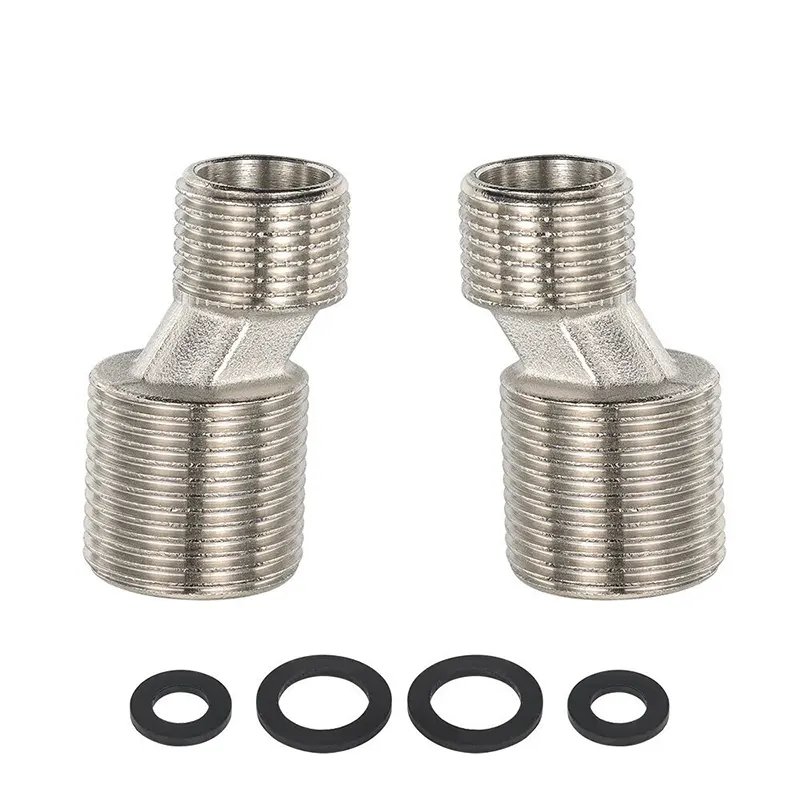
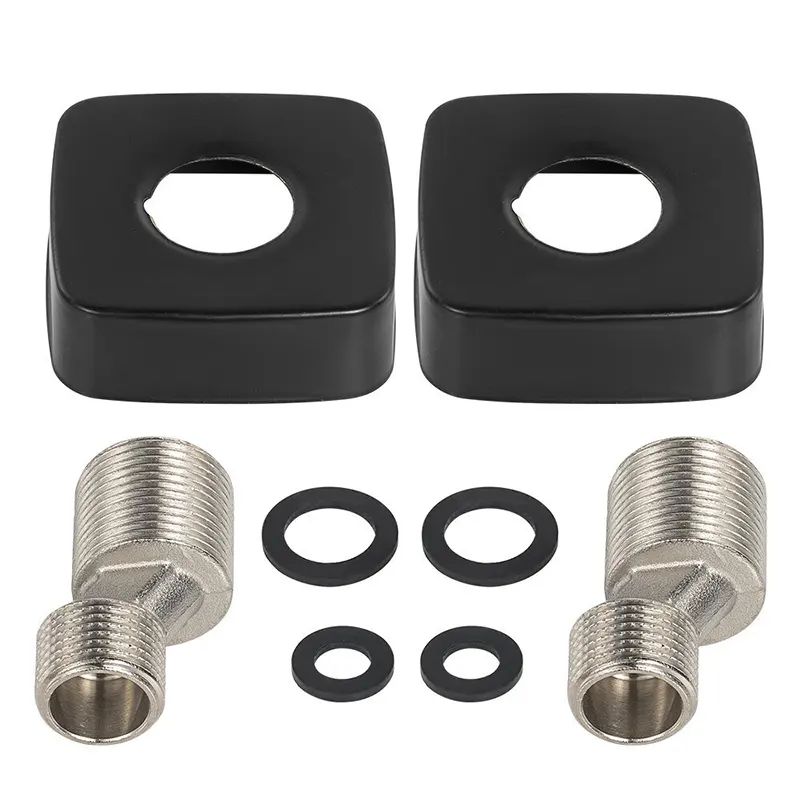
Hot Tags: ½×¾ Long Bath Shoe Gasket Wholesale
Send Inquiry
Please feel free to fill your inquiry in the form below. We will reply you in 24 hours.
X
We use cookies to offer you a better browsing experience, analyze site traffic and personalize content. By using this site, you agree to our use of cookies.
Privacy Policy