 English
 Español
 Português
 русский
 Français
 日本語
日本語 Deutsch
 tiếng Việt
 Italiano
 Nederlands
 ภาษาไทย
 Polski
 한국어
한국어 Svenska
 magyar
 Malay
Malay বাংলা ভাষার
 Dansk
Dansk Suomi
Suomi العربية

How to Choose the Right EPDM Inner Tube for Bathroom Hose Applications?
Selecting the correct component for your bathroom hose is more critical than it might seem. The inner tube is the core of the hose, responsible for carrying water safely and reliably day after day. A failure here means leaks, pressure drops, and potential water damage. This guide will walk you through every factor you need to consider, ensuring you make an informed decision that prioritizes longevity and performance. We will explain exactly what makes an EPDM inner tube the superior choice for modern bathroom environments.
At Ningbo Ming Da Hai Chen Metal Productions Co.,Ltd., we have spent two decades perfecting the art of hose manufacturing. We understand that the inner tube is the unsung hero of any bathroom hose. Whether you are a distributor, a contractor, or a homeowner looking for replacement parts, understanding the nuances of this component will save you time and money. This article serves as your comprehensive guide to navigating the options and choosing the right EPDM inner tube for your specific bathroom hose applications.
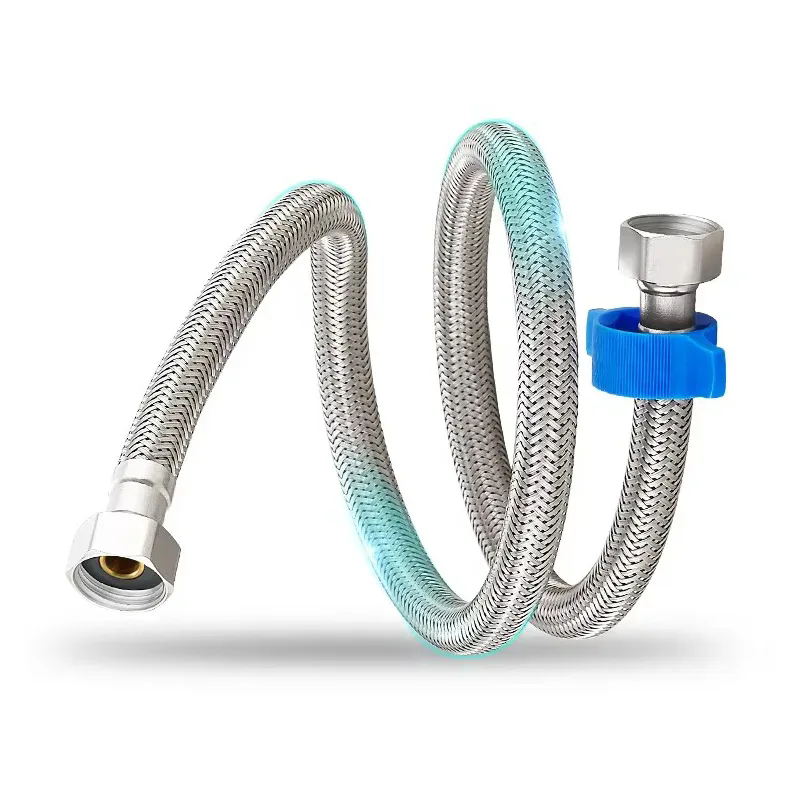
Table of Contents
- Why is EPDM the Preferred Material for Bathroom Hose Inner Tubes?
- What Critical Parameters Define a High-Quality EPDM Inner Tube?
- How Can You Match the Right Inner Tube to Your Specific Bathroom Application?
- Conclusion: Making the Final Choice for Lasting Performance
- Frequently Asked Questions (FAQ)
Why is EPDM the Preferred Material for Bathroom Hose Inner Tubes?
When it comes to materials for bathroom hose inner tubes, there are several options, but EPDM (Ethylene Propylene Diene Monomer) stands out as the industry standard for good reason. The bathroom environment is uniquely challenging, characterized by high humidity, temperature fluctuations, and exposure to various cleaning chemicals. An inner tube must withstand all these elements without degrading. Here is why EPDM is the material of choice for our factory and why it should be for you.
First and foremost, EPDM exhibits exceptional resistance to heat and water. In a bathroom, water temperatures can vary from cold to very hot. Standard materials like natural rubber or some thermoplastics can become brittle over time with constant exposure to hot water, leading to cracks and leaks. EPDM maintains its flexibility and structural integrity across a wide temperature range, typically from -40°F to +300°F (-40°C to +150°C). This thermal stability ensures the inner tube can handle daily use without hardening or softening excessively.
Another critical factor is its resistance to aging and weathering. EPDM is renowned for its ability to resist ozone, UV radiation, and general oxidation. In a bathroom, this means the inner tube won't crack due to ozone exposure from electrical motors or UV light if the hose is used near a window. Moreover, it stands up well to the mild acids and alkalis found in soaps, shampoos, and bathroom cleaners. This chemical resistance prevents the inner tube from swelling, blistering, or breaking down internally, which could contaminate the water stream or restrict water flow.
Here is a list of key benefits that make EPDM the right choice:
- Superior Flexibility: EPDM remains flexible even in cold conditions, making the hose easy to maneuver and preventing kinks. This is a property we rigorously test in our factory.
- Excellent Compression Set Resistance: It returns to its original shape after being compressed, which is vital for the water-tight seals at the hose connections.
- Long-Term Durability: With a lifespan significantly longer than many alternatives, an EPDM inner tube reduces the need for frequent replacements, offering better value over time.
- Odorless and Tasteless: High-quality EPDM used by Ningbo Ming Da Hai Chen Metal Productions Co.,Ltd. is formulated to be non-toxic and imparts no unpleasant taste or smell to the water, ensuring a clean bathroom experience.
In essence, choosing an EPDM inner tube is an investment in reliability. It is a material engineered to perform under pressure, literally and figuratively, ensuring your bathroom hose delivers a consistent performance for years. This is why our factory prioritizes EPDM for all our high-end hose assemblies.
What Critical Parameters Define a High-Quality EPDM Inner Tube?
Simply choosing an EPDM inner tube isn't enough. The quality and performance are dictated by a set of specific parameters that you must evaluate. At Ming Da Hai Chen, we define quality by these measurable attributes. Understanding them will empower you to compare products and select one that will not fail. You need to look beyond the name "EPDM" and examine the specifications.
The first and most fundamental parameter is the material compound itself. EPDM is a synthetic rubber, but its properties can be fine-tuned with different fillers and additives. A high-quality inner tube uses a virgin EPDM compound with the right balance of reinforcement. The durometer, or hardness, measured on the Shore A scale, is a key indicator. For a bathroom hose inner tube, a durometer of 70 +/- 5 is typical. This provides enough firmness to hold its shape under pressure but remains soft enough to be flexible and create a good seal with the outer braid and end fittings.
Next, we must consider the physical dimensions. The inner tube's wall thickness and inside diameter (ID) are crucial. A wall that is too thin may collapse under vacuum or burst under high pressure. A wall that is too thick can make the hose stiff and difficult to handle. Here’s a typical specification table for the EPDM inner tubes we use in our factory:
| Parameter | Typical Value | Why It Matters |
| Material | Virgin EPDM Compound | Ensures flexibility, heat resistance, and long life. |
| Inside Diameter (ID) | 1/4 inch (6.35mm) to 3/8 inch (9.5mm) | Matches the required water flow rate for the fixture. |
| Wall Thickness | 1.5mm to 2.5mm | Provides burst strength while maintaining flexibility. |
| Hardness (Durometer) | 70 +/- 5 Shore A | Balances flexibility with structural integrity. |
| Tensile Strength | > 10 MPa | Indicates the material's resistance to breaking under tension. |
| Elongation at Break | > 300% | Measures how much the material can stretch before breaking, a sign of toughness. |
| Temperature Range | -40°F to +212°F (-40°C to +100°C) | Guarantees performance under all bathroom water conditions. |
Beyond the raw specs, the manufacturing process itself is a critical parameter. How the inner tube is extruded affects its consistency. A poor extrusion process can lead to variations in wall thickness, creating weak spots. Our factory uses precision extrusion lines to ensure the inner tube is perfectly concentric and uniform along its entire length. This consistency is what separates a reliable inner tube from one prone to failure. Furthermore, the cleanliness of the extrusion process is vital to avoid impurities or "fish eyes" in the rubber, which can also be initiation points for leaks.
How Can You Match the Right Inner Tube to Your Specific Bathroom Application?
Not all bathroom hoses are created equal. The demands of a kitchen sink sprayer are different from those of a retractable shower hose or a connection for a bidet. Matching the right EPDM inner tube to the specific application is the final and most crucial step. This involves assessing the mechanical and environmental stressors the hose will face. At Ningbo Ming Da Hai Chen Metal Productions Co.,Ltd., we guide our clients through this selection process based on their end-use.
For a standard retractable shower hose, the inner tube must endure constant flexing, twisting, and pulling as it is extended and retracted. It also sits in a warm, humid environment. In this case, you need an inner tube with exceptional flexibility and fatigue resistance. A standard wall thickness might suffice, but the compound must be optimized for repeated movement. For a connection hose under a sink, which is installed and then largely left alone, the primary concern is long-term pressure and temperature resistance. Here, a slightly thicker wall might be beneficial for added peace of mind against bursting.
Here is a guide to help you match the inner tube to the application:
- Retractable Shower Hoses: Prioritize flexibility and torsion resistance. Look for an inner tube with high elongation at break and a proven track record in cyclic fatigue tests. Our factory often recommends a specially formulated, highly flexible EPDM compound for these applications.
- Standard Shower Hoses (Fixed): Balance flexibility with pressure resistance. The standard parameters listed in the table above are generally perfect for this use. Ensure the inner tube is smooth to allow the outer covering to slide easily.
- Bidet Hoses: Must be suitable for contact with potable water. The EPDM compound must meet relevant standards for non-toxicity. Additionally, since bidets are often in tight spaces, the inner tube needs to be flexible enough to bend without kinking upon installation.
- Kitchen Sink Sprayers: These are subject to frequent, rapid movements and occasional impacts. The inner tube needs to be robust and have a strong bond with the outer reinforcement. A higher quality, abrasion-resistant EPDM is the right choice here.
- Connector Hoses (Faucet to Supply): These are static but under constant high pressure (up to 80-120 psi). The focus should be on burst strength and compression set at the connection points. A thicker wall and a slightly harder durometer compound might be specified.
Another aspect to consider is the hose's construction with the outer layers. The inner tube is just one part of the assembly. It needs to be compatible with the braiding material (whether stainless steel or polyester) and the end fittings. The surface of the EPDM inner tube must allow the outer braid to be braided over it consistently without snagging or creating uneven tension. In our factory, we ensure this surface finish is optimized for the braiding process. By carefully considering the end-use environment and mechanical demands, you can select an EPDM inner tube that not only fits but excels in its specific bathroom role.
Conclusion: Making the Final Choice for Lasting Performance
Choosing the right EPDM inner tube for bathroom hose applications is a decision that directly impacts product reliability, customer satisfaction, and your brand's reputation. As we have explored, it's not a one-size-fits-all scenario. The material's inherent properties—its heat resistance, flexibility, and durability—make EPDM the clear winner, but the specific parameters and how they match your application are what define success. From understanding the importance of durometer and wall thickness to considering the mechanical demands of a retractable shower hose versus a static connector, every detail matters.
Partnering with an experienced manufacturer like Ningbo Ming Da Hai Chen Metal Productions Co.,Ltd. ensures you aren't just buying a component; you are buying two decades of application knowledge and quality control. Our factory's commitment to using precision-extruded, high-grade EPDM for our inner tubes means you get a product that performs consistently, batch after batch. We understand that a failed hose can lead to costly damage, so we prioritize the integrity of the inner tube above all else. By using our expertise and the guidelines provided here, you can confidently select the perfect EPDM inner tube that will deliver a reliable, long-lasting performance in any bathroom environment.
Are you ready to source the highest quality EPDM inner tubes for your next project? Contact Ming Da Hai Chen today to discuss your specific requirements. Let our factory provide you with the reliable components you need to build hoses that stand the test of time.
Frequently Asked Questions (FAQ)
Q1: What is the typical lifespan of an EPDM inner tube in a bathroom hose?
Under normal residential use with standard water pressure and temperature, a high-quality EPDM inner tube, like those produced in our factory, can last between 5 to 10 years. The exact lifespan depends on factors like water quality (chlorine levels), frequency of use, and exposure to extreme temperatures. The material's excellent resistance to aging and ozone helps it maintain its properties much longer than natural rubber, ensuring the hose remains functional and safe for many years.
Q2: Can an EPDM inner tube handle both hot and cold water in a shower?
Yes, absolutely. This is one of the primary reasons EPDM is the preferred material for this application. It is specifically engineered to perform across a very wide temperature spectrum. A well-formulated EPDM inner tube will remain flexible and resist hardening in cold water and will not soften, swell, or degrade when exposed to the hot water temperatures typical in a bathroom (up to 140°F or 60°C). This dual tolerance ensures consistent performance and safety year-round.
Q3: How do I know if an EPDM inner tube is safe for drinking water?
Not all EPDM compounds are created equal for potable water. You must look for certifications or manufacturer statements confirming the material meets drinking water standards. At Ningbo Ming Da Hai Chen Metal Productions Co.,Ltd., our EPDM inner tubes intended for bathroom use are formulated without substances that could leach into the water. We ensure the compound is tasteless, odorless, and compliant with relevant health and safety regulations, making them perfectly safe for shower and bidet applications where water contact is direct.
Q4: What causes an inner tube to fail, and how can I prevent it?
The most common causes of failure are excessive heat, chemical attack, and physical stress. For EPDM, while it's resistant, using it in applications with oil-based chemicals (which EPDM is not resistant to) would cause failure. In a bathroom, failure is often due to poor manufacturing, such as inconsistent wall thickness. You can prevent failure by selecting a high-quality product from a reputable manufacturer. Ensure the hose is not kinked during installation, which puts undue stress on the inner tube, and always operate the hose within its specified temperature and pressure ratings.
Q5: Is the wall thickness of the inner tube related to the water pressure rating?
Directly. The wall thickness is a primary factor in determining the burst pressure of a hose. A thicker wall generally provides a higher pressure rating, offering a greater safety margin. However, it's not the only factor; the tensile strength of the EPDM compound itself also plays a crucial role. Our factory carefully balances wall thickness with material strength to meet specific pressure requirements. For standard household water pressure (40-80 psi), a 1.5mm to 2.0mm wall in a high-tensile EPDM compound is more than sufficient, providing both safety and the necessary flexibility.
Send Inquiry
X
We use cookies to offer you a better browsing experience, analyze site traffic and personalize content. By using this site, you agree to our use of cookies.
Privacy Policy