 English
 Español
 Português
 русский
 Français
 日本語
日本語 Deutsch
 tiếng Việt
 Italiano
 Nederlands
 ภาษาไทย
 Polski
 한국어
한국어 Svenska
 magyar
 Malay
Malay বাংলা ভাষার
 Dansk
Dansk Suomi
Suomi العربية

What Is a Wire Polymer Inner EPDM Tube Copper Fitting and Why Is It Essential for Modern Fluid Systems
Wire polymer inner EPDM tube copper fittings are widely used in modern plumbing, HVAC, industrial fluid systems, and automotive applications due to their durability, corrosion resistance, flexibility, and sealing reliability. By combining a reinforced wire structure, a polymer layer, an EPDM inner tube, and precision copper fittings, this hybrid solution delivers high performance in demanding environments.
This comprehensive guide explores how wire polymer inner EPDM tube copper fittings work, their structural advantages, common applications, installation methods, maintenance practices, and how to choose the right product for your project. Whether you are an engineer, contractor, distributor, or system designer, this article will help you understand why this technology has become a preferred choice for fluid transfer systems worldwide.
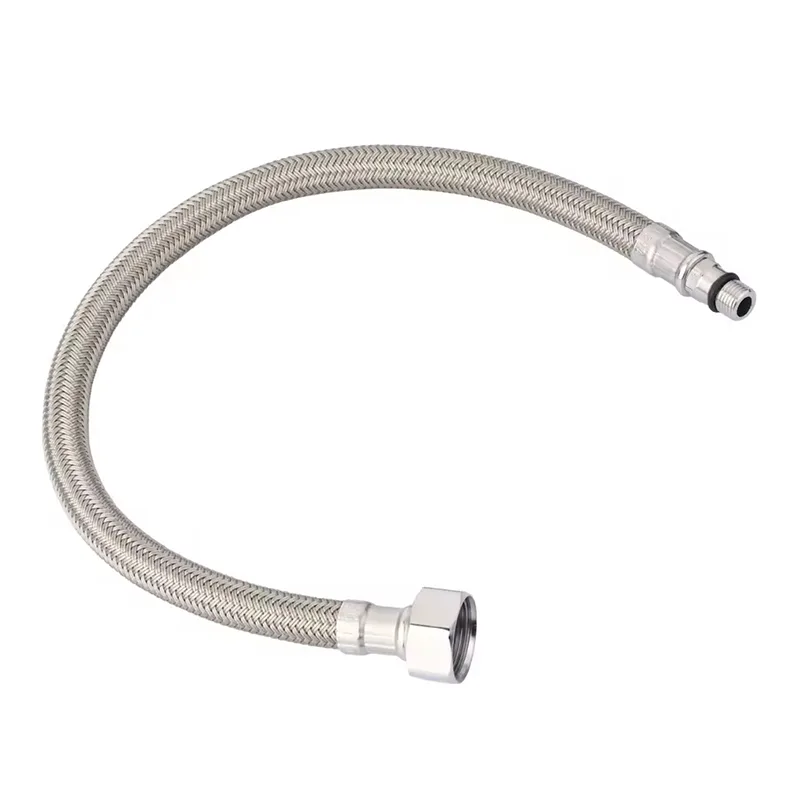
Table of Contents
- What Is a Wire Polymer Inner EPDM Tube Copper Fitting?
- Key Components and Structure Explained
- How Does the EPDM Inner Tube Improve Performance?
- Advantages of Using Copper Fittings in Fluid Systems
- Major Applications Across Industries
- Technical Specifications and Performance Comparison
- Installation Guidelines and Best Practices
- Maintenance and Service Life Optimization
- How to Choose the Right Wire Polymer EPDM Tube Assembly
- Future Trends in Flexible Fluid Transfer Technology
- Frequently Asked Questions
What Is a Wire Polymer Inner EPDM Tube Copper Fitting?
A wire polymer inner EPDM tube copper fitting is a specialized fluid transfer component designed for high reliability and durability. It consists of several engineered layers that work together to create a flexible yet strong pipeline solution.
Typically, the structure includes:
- EPDM rubber inner tube for fluid resistance
- Polymer reinforcement layer for flexibility
- Wire reinforcement for pressure strength
- Precision copper fittings for secure connections
These assemblies are widely used in heating systems, cooling pipelines, plumbing systems, and industrial fluid transport. Their ability to handle temperature fluctuations and mechanical stress makes them a popular option in modern infrastructure.
For detailed product specifications, refer to the product page: Wire Polymer Inner EPDM Tube Copper Fitting.
Key Components and Structure Explained
Understanding the structure of this tubing system helps explain why it performs so effectively in demanding environments.
| Component | Material | Function |
|---|---|---|
| Inner Tube | EPDM Rubber | Resists heat, water, steam, and chemicals |
| Polymer Layer | Engineered Polymer | Improves flexibility and durability |
| Wire Reinforcement | Steel Wire | Enhances pressure resistance |
| End Fittings | Copper | Ensures leak-free and corrosion-resistant connections |
This multi-layer design balances flexibility, strength, and sealing capability. The integration of copper fittings also ensures compatibility with many plumbing and HVAC systems.
How Does the EPDM Inner Tube Improve Performance?
EPDM (Ethylene Propylene Diene Monomer) rubber is widely used in fluid systems because of its exceptional resistance to environmental stress and chemicals.
Key benefits include:
- Excellent resistance to heat and steam
- Superior weather and ozone resistance
- Long service life
- Compatibility with water and glycol solutions
- Stable performance under temperature changes
Because of these characteristics, EPDM is ideal for hot water pipelines, solar heating systems, and HVAC circulation lines.
Advantages of Using Copper Fittings in Fluid Systems
Copper has been used in piping systems for centuries due to its strength and corrosion resistance. When integrated with flexible EPDM tubing, copper fittings offer several advantages.
- Reliable sealing performance
- High corrosion resistance
- Long lifespan
- Compatibility with standard plumbing systems
- Excellent thermal conductivity
Copper fittings also allow easier installation and maintenance compared with many alternative materials.
Major Applications Across Industries
Wire polymer inner EPDM tube copper fittings are widely used in many sectors where reliable fluid transfer is required.
HVAC Systems
- Heating circulation pipelines
- Air conditioning systems
- Boiler connections
Plumbing Systems
- Hot water distribution
- Residential piping
- Commercial building installations
Industrial Equipment
- Cooling systems
- Fluid transportation
- Hydraulic auxiliary lines
Automotive and Machinery
- Engine cooling systems
- Industrial machinery fluid lines
- Pressure transfer pipelines
Technical Specifications and Performance Comparison
| Feature | Wire Polymer EPDM Tube | Standard Rubber Hose |
|---|---|---|
| Temperature Resistance | High | Medium |
| Pressure Resistance | High | Low to Medium |
| Durability | Long Service Life | Moderate |
| Corrosion Resistance | Excellent | Limited |
| Installation Flexibility | Very Flexible | Moderate |
As the table shows, reinforced EPDM tube assemblies significantly outperform traditional rubber hoses in demanding applications.
Installation Guidelines and Best Practices
Correct installation ensures optimal performance and longevity.
- Ensure fittings are properly aligned before tightening
- Avoid excessive bending or twisting
- Use compatible connectors and tools
- Follow recommended pressure ratings
- Test the system after installation
Professional installation helps reduce the risk of leaks and mechanical stress.
Maintenance and Service Life Optimization
Routine inspection can significantly extend the life of the system.
- Inspect hoses for wear or cracks
- Check fittings for corrosion
- Monitor pressure and temperature levels
- Replace components when necessary
Preventive maintenance minimizes downtime and ensures safe system operation.
How to Choose the Right Wire Polymer EPDM Tube Assembly
Selecting the right product depends on several technical factors.
- Operating temperature range
- Pressure requirements
- Fluid compatibility
- Installation environment
- Connector type
Working with an experienced manufacturer like MING DA HAI CHEN helps ensure that the selected product meets the required industry standards and application requirements.
Future Trends in Flexible Fluid Transfer Technology
As industries demand more efficient and durable piping systems, flexible reinforced tubing technologies are rapidly evolving.
Emerging trends include:
- Advanced polymer composites
- Smart monitoring systems
- Higher pressure tolerance
- Improved environmental sustainability
These innovations will further enhance the reliability and efficiency of fluid transfer systems worldwide.
Frequently Asked Questions
1. What fluids can EPDM tubes handle?
EPDM tubes are commonly used for water, steam, glycol solutions, and many mild chemicals.
2. Why are copper fittings preferred?
Copper provides excellent corrosion resistance, durability, and compatibility with standard plumbing systems.
3. Are wire reinforced EPDM tubes suitable for high pressure?
Yes. The integrated wire reinforcement significantly improves pressure resistance compared with standard rubber hoses.
4. How long do these tube assemblies last?
With proper installation and maintenance, they can last many years in demanding environments.
5. Can these fittings be used in HVAC systems?
Yes. They are widely used in heating and cooling systems due to their thermal resistance and flexibility.
Conclusion
Wire polymer inner EPDM tube copper fittings represent a modern solution for high-performance fluid transfer systems. Their multi-layer structure provides flexibility, durability, corrosion resistance, and reliable sealing. These advantages make them ideal for applications ranging from HVAC and plumbing to industrial equipment and automotive systems.
As infrastructure and industrial systems continue to evolve, high-quality reinforced tubing solutions will play an increasingly important role in ensuring safety, efficiency, and long-term performance.
If you are searching for reliable fluid transfer components manufactured to high industry standards, MING DA HAI CHEN offers professional solutions designed for durability and performance. For more product information or customized solutions for your project, feel free to contact us.
Send Inquiry
X
We use cookies to offer you a better browsing experience, analyze site traffic and personalize content. By using this site, you agree to our use of cookies.
Privacy Policy